
























As of late November 2025, both Bitcoin and Ethereum have dropped roughly 30% in one month. Nearly $1 trillion in market value has vanished. The Fear & Greed Index currently sits at 10, indicating an extreme level of fear.
Given this brutal setup, it’s no surprise your CFO is taking a closer look at marketing spend.
Engagement is down. Campaign results are softer. Projects are cutting creator budgets, pausing campaigns, and "right-sizing" marketing teams across the ecosystem. The calculus feels obvious:
Why spend when metrics are down?
You're balancing board pressure, treasury constraints, and uncertainty about whether this is a brief correction or something longer. Going dark feels safe.
We get it. We've seen this before.
At Lunar, we've managed 300+ projects across multiple cycles. Through all of it, one consistent signal has emerged:
Projects that went dark during downturns lost momentum that took months to rebuild. Projects that stayed strategically present, adjusting budgets rather than abandoning them, entered recoveries with 3-5X more presence than peers who disappeared.
The difference was spending smarter.
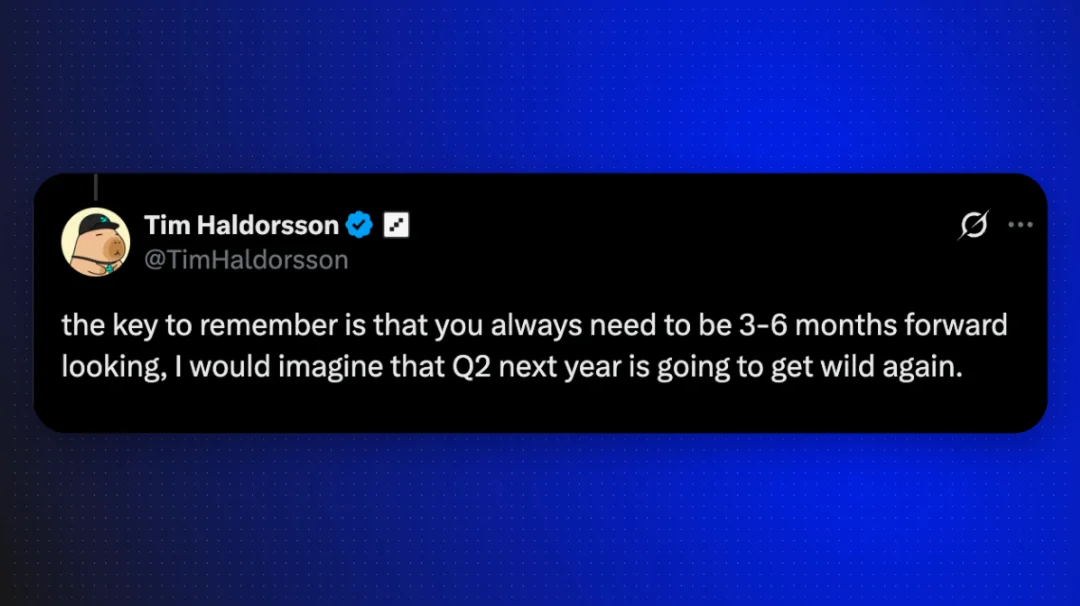
This guide is for those navigating that tension right now. By the end of it, you'll have a framework for making those decisions based on what worked across multiple cycles.
Let's get into it!
Chapter 1: Why Down Markets Create Marketing Advantages
When the treasury is under pressure and metrics are down, the conventional moves are clear:
➤ Cut marketing spend
➤ Preserve capital
➤ Wait for sentiment to improve
Most founders choose this path, but here's what that logic misses:
When 95% of projects cut marketing simultaneously, they create the exact conditions that make marketing more effective for the 5% who stay active.
During bull markets, you compete with thousands of projects for limited attention spans. Your marketing dollars work half as hard because everyone is shouting simultaneously. The noise floor is high, your signal weakens, and you're paying premium rates for diluted reach.
When sentiment cools, whether temporarily or for an extended period, three shifts consistently occur:
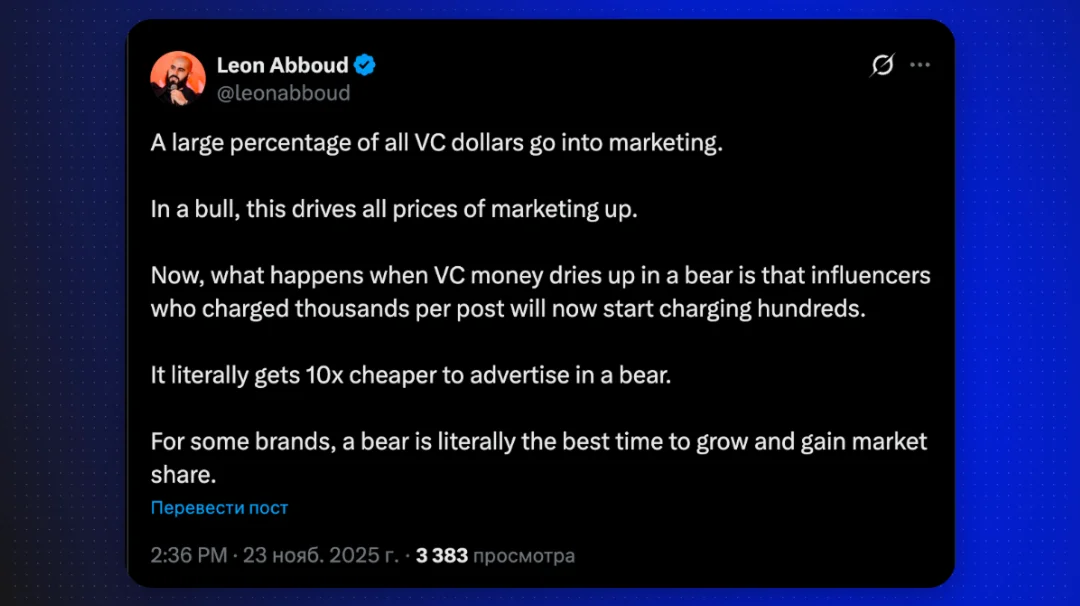
Creator costs drop significantly
Campaign rates that held firm during hype cycles often drop by 30-60% as competition decreases. The same creators, the same reach, but at a lower cost.
This happens because most projects pause their marketing simultaneously, reducing demand while the number of available creators remains the same.
Mindshare becomes dramatically easier to capture
When competitors go dark, your message travels further without additional spend. We've seen campaigns maintain identical budgets yet reach significantly larger audiences in quieter periods, often 2-3X the impressions compared to peak competition.
What that means in practice:
If the supply of attention-seeking projects drops by 70-80%, the remaining projects absorb that abandoned share. Your competitors practically hand you their audience by retreating.
You attract higher-quality engagement
The audience composition shifts. Speculators chase price action during bull runs. Builders research fundamentals during uncertainty.
The community members you acquire during downturns tend to stay as they joined for substance in the first place. These are the people who contribute to governance, provide feedback, and become vocal advocates when sentiment eventually shifts.
The Accumulation Effect
Attention builds over time. The content you create during quiet periods gets discovered by newcomers during the next wave. The relationships you build during uncertainty turn into vocal advocates when sentiment returns. We saw this clearly with projects that maintained strategic presence through 2018-2019: they entered 2020-2021 with 3-5X more established presence than peers who went silent and had to rebuild from zero.
Going dark feels safe because everyone else chooses it. That collective retreat creates the opportunity.
The window opens when customer acquisition costs drop, competition thins, and the foundation you build faces minimal resistance. Whether this uncertainty lasts weeks or quarters, the projects that recognize the advantage position themselves ahead of the curve.
Chapter 2: Data Points from Previous Cycles
The case for maintaining marketing presence during uncertainty comes with measurable evidence. We can track what happened to actual usage, development, and capital flows during the 2022-2023 downturn.
The pattern is consistent: while prices dropped and sentiment collapsed, the fundamentals that matter for long-term growth held steady and accelerated.
The data across four categories:
Active Users & Wallets Held Steady
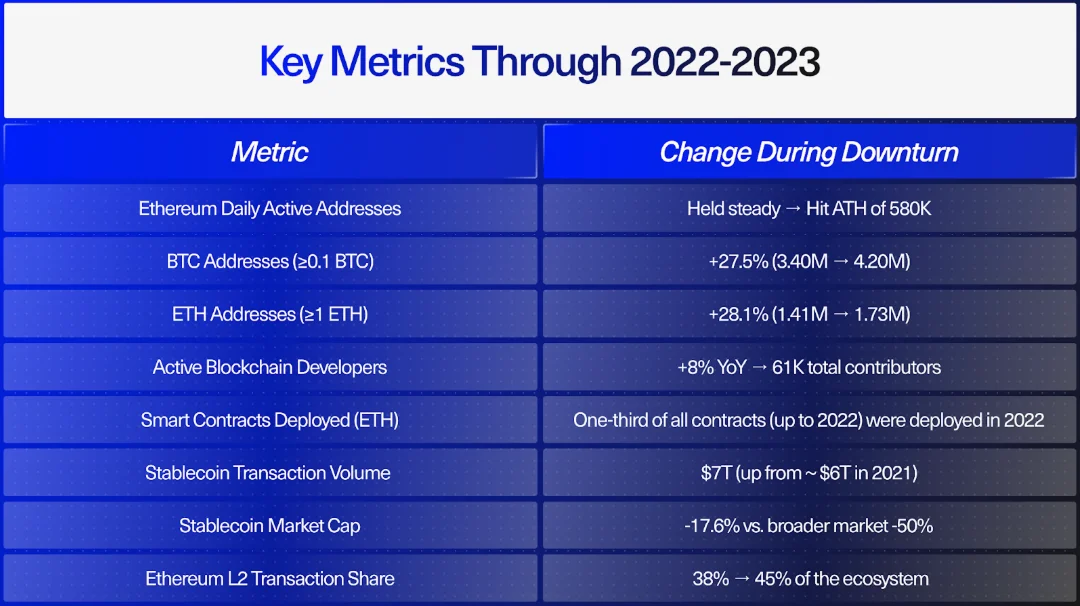
Daily active addresses on Ethereum remained stable during 2022 and climbed afterward. The network recently hit an all-time high of 580,000 daily active addresses, surpassing previous cycle peaks. When including Layer-2 networks, the broader Ethereum ecosystem now sees approximately 2.5 million daily active addresses.
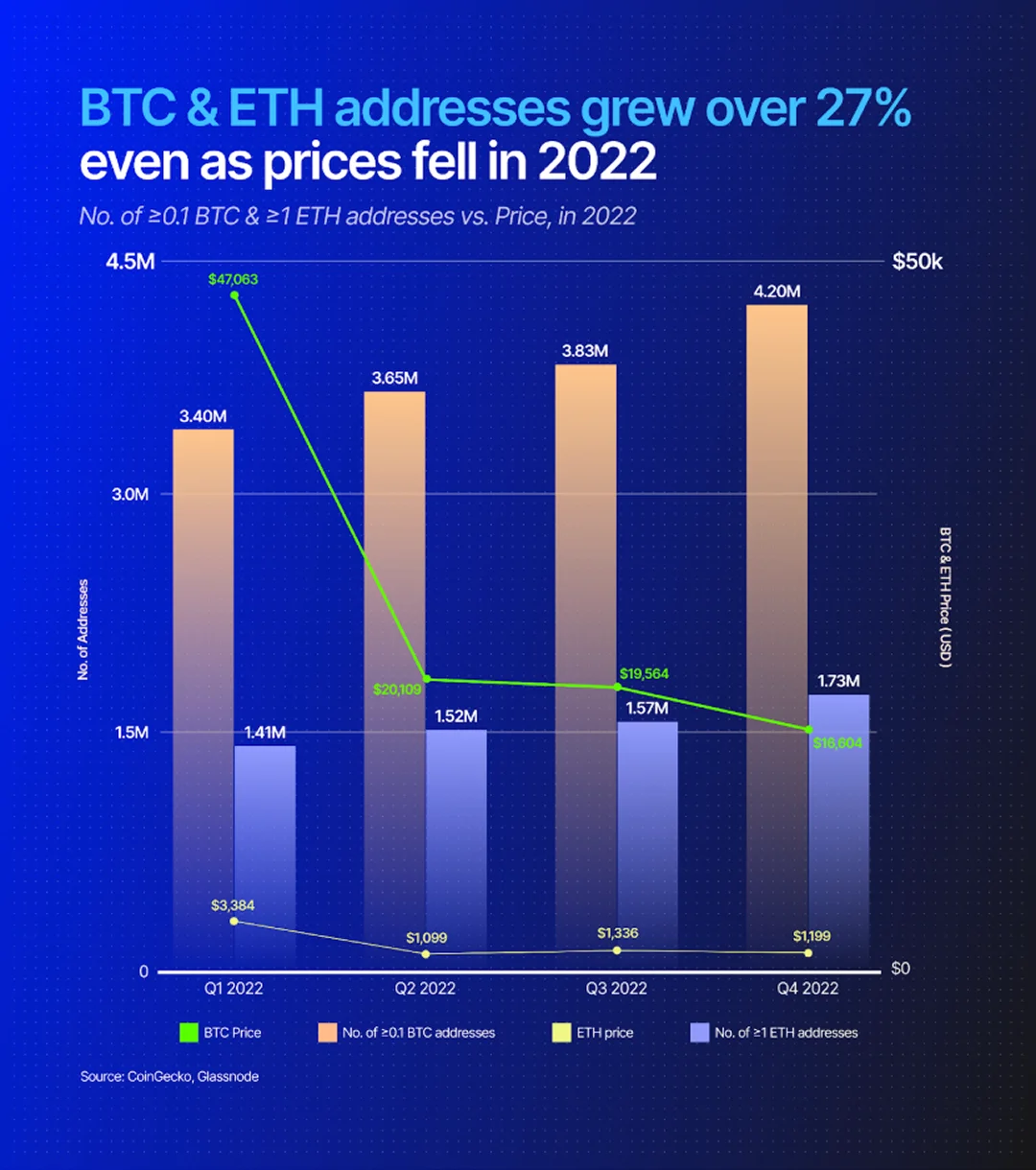
Wallet growth told the same story. Even as BTC and ETH prices fell roughly 65% in 2022, the number of addresses holding meaningful balances increased dramatically. Bitcoin addresses with ≥0.1 BTC rose 27.5% that year, from 3.40M to 4.20M. Ethereum addresses with ≥1 ETH jumped 28.1%, from 1.41M to 1.73M. People were accumulating and entering the space during the downturn.
Developer Activity Accelerated
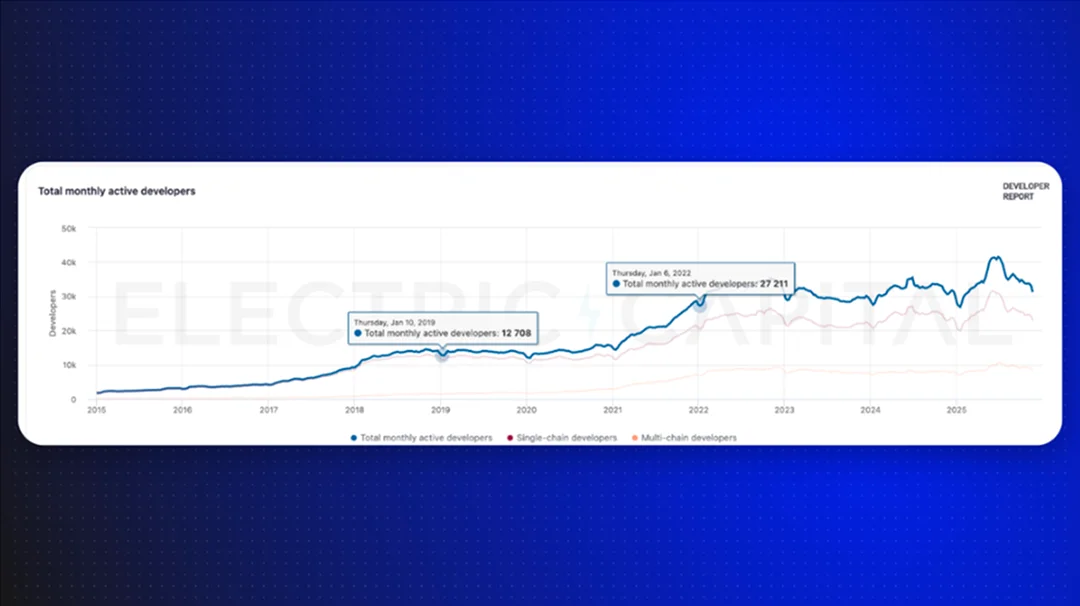
Bear markets consistently drive development waves. In 2022, during peak crypto winter, the number of active blockchain developers grew 8% year-over-year to roughly 23,000 monthly active devs. Total contributors reached an all-time high of 61,000 developers.
The building activity was record-breaking. Over 36% of all smart contracts ever deployed on Ethereum launched in 2022 alone, despite token prices being down 70% from all-time highs. Monthly smart contract deployments surged 40% year-over-year to new peaks. Downloads of Ethereum developer libraries rose 3X compared to the previous year. The infrastructure for the next cycle gets built during the downturn.
Stablecoin & Transaction Activity Expanded
On-chain economic activity proved remarkably resilient during 2022-2023. Stablecoins facilitated over $7 trillion in on-chain transactions in 2022 alone - a record high, up from approximately $6 trillion in 2021. Transaction volumes grew roughly 17% year-over-year into 2023, outpacing traditional payment networks and surpassing PayPal's annual volume.
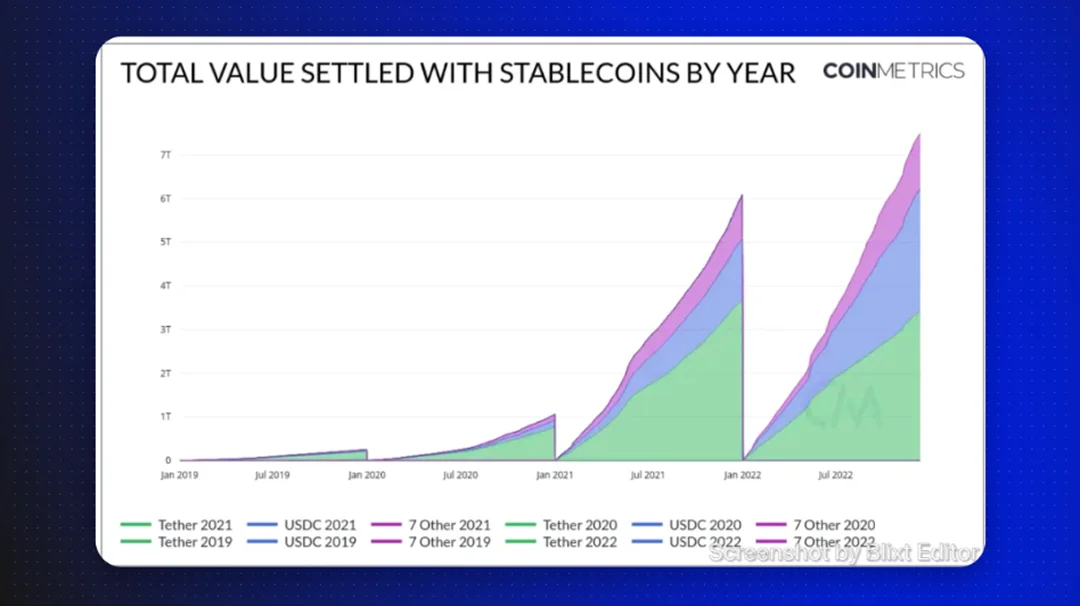
The stablecoin monetary base held firm through the downturn. Total stablecoin market capitalization dipped only 17.6% in 2022 (from $168B to $138B), while the broader crypto market cap fell approximately 50% in the same period. As investors moved to cash-like assets, stablecoins' share of total crypto market value nearly doubled: from 7% to 13%.
Ethereum Layer-2 networks exploded in usage. By Q1 2023, L2 rollups processed roughly 45% of all Ethereum ecosystem transactions, up from 38% in late 2022. Arbitrum and Optimism regularly saw 7-figure daily transaction counts. Despite the bear market, the Ethereum mainnet itself maintained approximately 1 million transactions per day throughout 2022-2023, barely dipping from bull-market levels.
The Marketing Implication
The audience grew during the downturn. Daily active users increased. Developers doubled down on building. Transaction activity expanded. The people paying attention during uncertain markets are the ones making deliberate decisions about where to deploy capital and attention.
When your competitors pause marketing while this audience expands, you're positioning for an audience that's actively growing, increasingly sophisticated, and making long-term commitments. The projects that recognized this dynamic during 2022-2023 entered the recovery already embedded in the conversations that mattered.
But what kinds of projects recognized this opportunity? Let’s look at the sectors that remained active.
Chapter 3: Which Projects Stay Active (and Why)
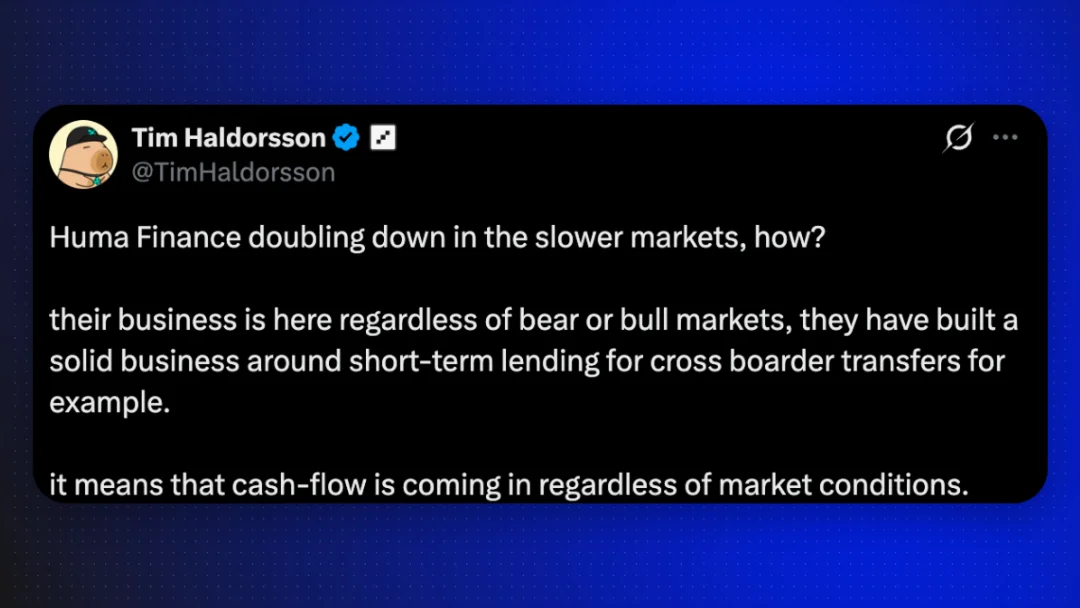
During uncertain markets, certain sectors maintain a strategic presence. Projects with real users, actual revenue, and products people need - keep marketing and building. Their growth depends on adoption rather than speculation.
DeFi Protocols
Decentralized finance sees record building activity through downturns. During 2022-2023, major protocols like Uniswap, Aave, and Maker maintained development and community engagement. Uniswap V3's concentrated liquidity features launched during that period, with daily new transacting wallets reaching an all-time high of 55,550. Aave expanded across seven networks, growing to $6.43 billion in TVL. FTX's collapse drove users to decentralized platforms, and these protocols captured that migration.
Stablecoins
Stablecoin projects treat uncertain periods as growth opportunities. USDC and USDT facilitated over $7 trillion in on-chain transactions in 2022 alone, up from $6 trillion in 2021. Circle maintained strategic partnerships with major institutions, while Tether grew market dominance to 71% by early 2023. Stablecoins become the settlement layer for crypto's economic activity when traditional assets feel unstable.
Real-World Assets
RWA tokenization gains traction during downturns. Ondo Finance launched tokenized funds in early 2023, allowing stablecoin holders to access U.S. Treasuries and bonds. MakerDAO pioneered this model back in 2020, followed by platforms like Centrifuge and TrueFi. JPMorgan, Deutsche Bank, and major financial institutions piloted tokenization programs on Ethereum Layer-2s during late 2022.
Infrastructure Projects
Layer-2 scaling solutions typically accelerate during uncertain markets. Arbitrum and Optimism saw the Ethereum ecosystem transaction share jump from 38% to 45% by Q1 2023. These projects maintain developer grants, community programs, and strategic partnerships regardless of sentiment. Polygon secured experiments with major banks for tokenized asset settlement. The groundwork for the next wave takes shape while competition thins.
Gaming
Blockchain gaming retained engagement through the downturn. DappRadar reported roughly 1.15 million daily active gaming wallets in May 2022 - a decline of just 5%. Quality games still attracted capital: Illuvium sold 20,000 land plots for $72 million in June 2022. Most telling, daily active users actually grew despite declining transaction volumes, indicating real players stayed engaged.
Chapter 4: Recommended marketing allocations & activities during uncertain markets
The pressure to cut is real. Competitors are laying off marketing teams and pausing campaigns. The conventional wisdom says to preserve capital and wait for sentiment to improve.
That conventional wisdom costs more than it saves.
During the 2022 downturn, 60-80% of crypto projects slashed marketing budgets simultaneously. Those that stayed strategically active entered the recovery with 3-5X more established presence than peers who went dark. The gap was expensive to close. And some never did.
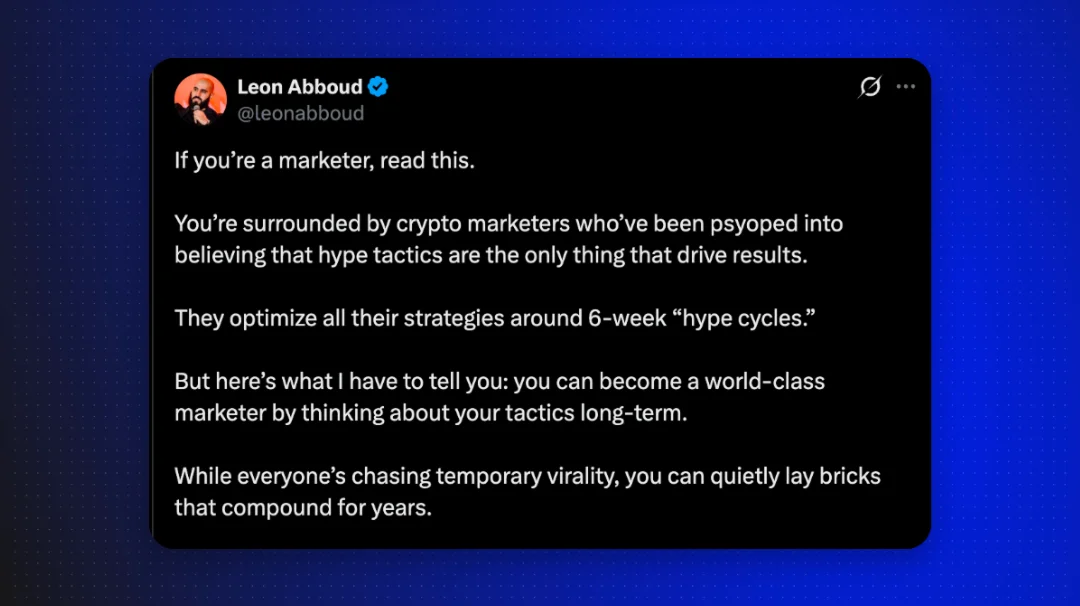
The allocation decisions you make now determine whether you're rebuilding from zero or accelerating from momentum when conditions improve. The following six principles will guide effective budget deployment during uncertainty:
Don’t go dark
Silence equals market share loss that compounds daily. When major players reduce marketing spend or exit entirely, competitors maintaining visibility absorb that abandoned attention. The audience doesn’t fade. The spotlight simply turns to the ones still present.
During 2022, overall crypto advertising spend crashed 64-90% within months. Projects maintaining a consistent presence captured a disproportionate share of voice. Research from Binet & Field shows that for every 10% extra SOV above market share, brands gain 0.5% in market share. When 70-80% of competitors go silent, the remaining 20-30% split the abandoned audience.
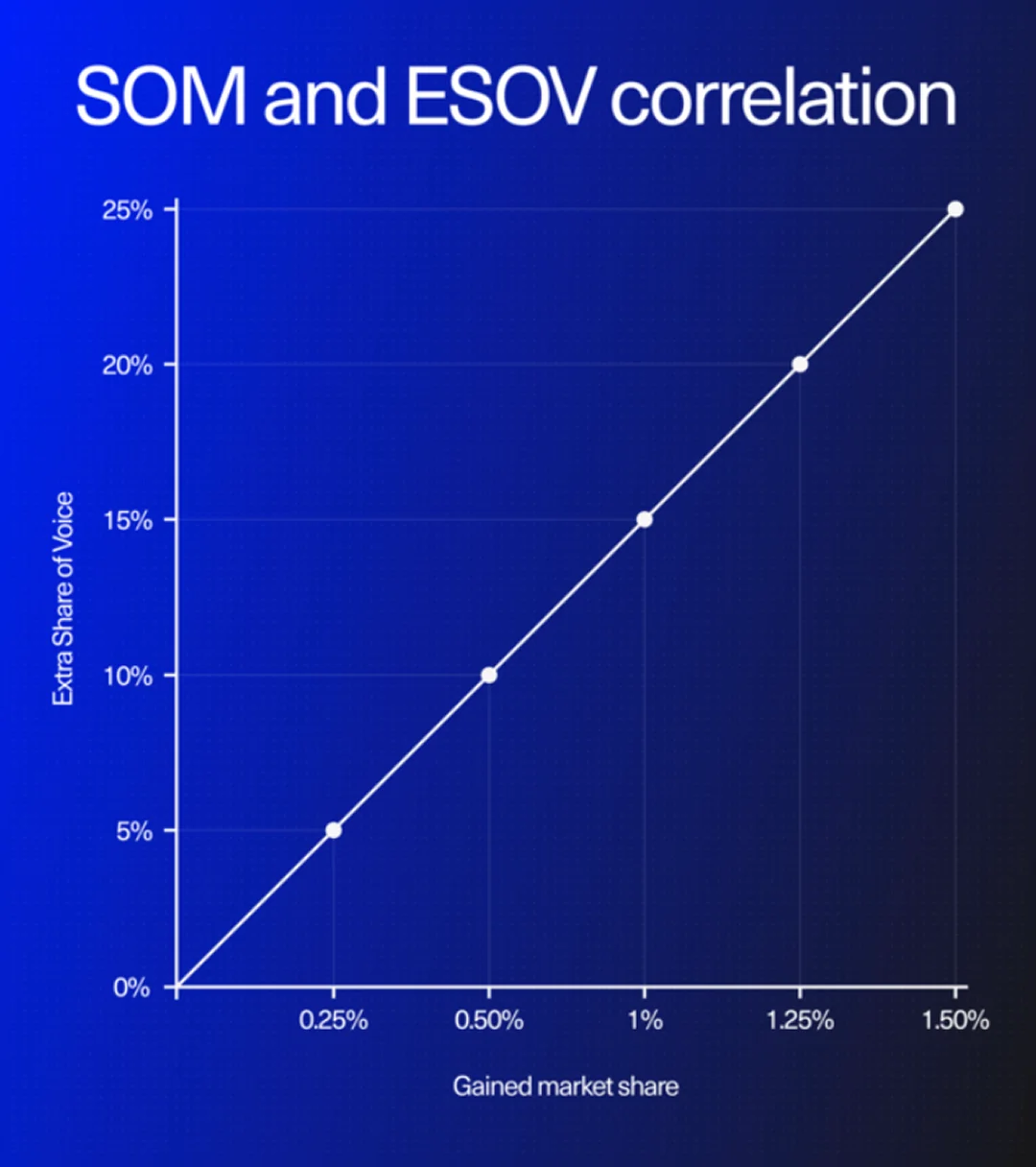
Rebuilding costs more than maintaining. The projects that disappeared during 2018-2019 spent 6-12 months re-establishing credibility when sentiment returned in 2020. The projects that stayed present, like Ethereum and Chainlink, entered with momentum intact.
Bear markets are discounted markets
This is the leverage point most founders miss. Downturns reshape the entire attention landscape. When sentiment cools, and most projects pause their spends, the market quietly shifts in favor of the ones who stay active.
What consistently happens every cycle:
➤ Media discounts kick in
During downturns, media outlets have more open slots and fewer projects competing for them. Rates often drop by 50–60%, making high-value coverage far easier and more affordable to secure.
➤ Creators lower their rates
Campaign volume slows, creators get fewer inbound requests, and pricing becomes far more flexible than during hype periods.
➤ The same budgets go further
With most projects going quiet, your message reaches more people on the exact same spend. Less noise means stronger reach and clearer impact.
The market shift creates a clear advantage for the teams that stay present. Costs drop, reach expands, and visibility compounds faster when fewer voices are in the mix. It’s the period where thoughtful, consistent activity builds momentum that becomes hard for others to catch once the market turns.
Shift Budget from Top-Funnel to Mid- and Bottom-Funnel
The attention you capture during downturns comes from a different audience. The people who stay active in quieter markets look for clarity, useful information, and signs of real progress. They spend more time evaluating ideas and paying attention to teams that communicate openly. Budgets work better when they line up with that level of interest.
That shift changes where your effort should go:
Deprioritize:
- Banner ads and broad brand awareness campaigns
- Generic impressions focused on reach over relevance
- One-off sponsorships with no audience alignment
Prioritize:
- Community engagement (direct conversations with users through replies, discussions, and shared problem-solving)
- Founder-led marketing (regular updates from founders that give clarity on progress, decisions, and directions)
- Educational content (breaking down your product, the space, key narratives, and technical concepts in a simple way)
- Thought-leadership clips / threads (short insights that communicate viewpoints, trade-offs, and how you think about the ecosystem)
- Podcasts & interviews (long-form opportunities to explain your approach, goals, and reasoning in a way social posts can’t)
- Discord/Telegram rituals (recurring AMAs, weekly updates, and feedback loops that keep the community close to the work)
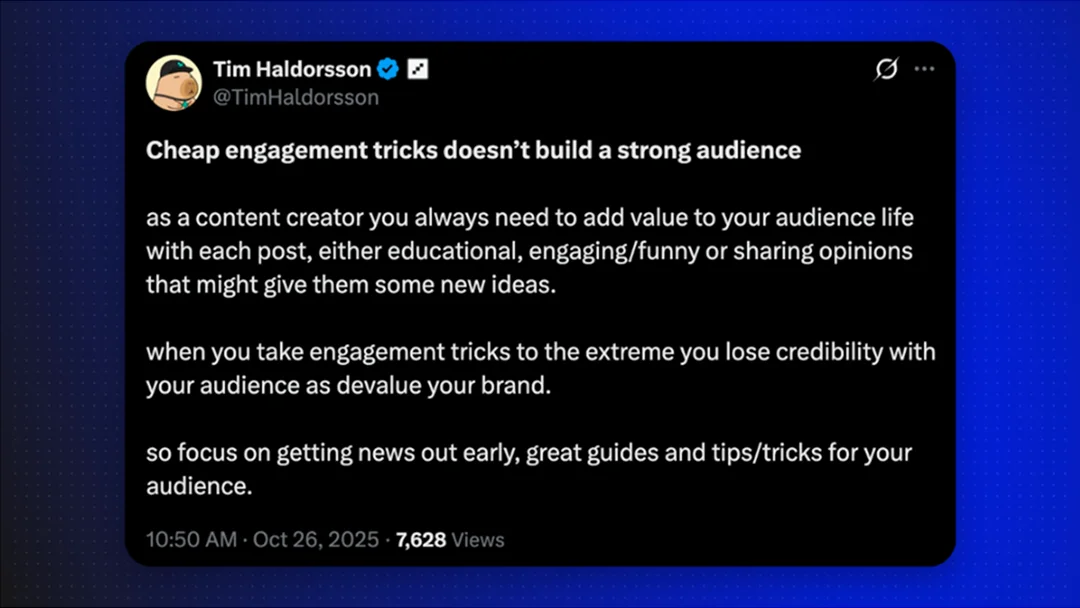
Quiet markets reward teams that focus on substance. When attention shifts toward people who want to understand, depth becomes the advantage. Clear explanations, steady communication, and real engagement carry more weight than broad exposure. Depth is what moves people during downturns and what builds momentum that lasts.
Replace bloated in-house teams with specialized agencies
Teams often scale quickly in bull markets, hiring across content, community, PR, and growth only to cut half the department when conditions tighten. The 2022-2023 cycle made that clear as well with more than 29,000 roles disappearing across the industry.
An agency changes that equation. A strong partner can replace the output of two to three in-house roles for roughly the cost of a single senior hire, without sacrificing quality or bandwidth. Strategy, content, community coordination, PR, and creator outreach come packaged into one consistent operating unit instead of multiple full-time salaries.
Agencies also stay closer to the pulse of the ecosystem. They track trends daily, understand what’s resonating across the market, and maintain creator relationships that individual teams rarely have the time or network to build. The result is a more efficient, more adaptable setup without the overhead of scaling internally.
Ambassador Programs and Micro-Creators
Large one-off creator spikes burn budget without building a foundation. A $30,000 payment to a top crypto influencer generates one post and 48 hours of visibility. One hundred micro-creators with 5,000 followers each, posting regularly, reach a similar scale but maintain presence for months
The model:
➤ Identify active users
➤ Provide points or creator currency for specific actions
➤ Structure rewards to vest over time.
Participants promote authentically because they're invested in outcomes rather than fulfilling one-time contracts. Two projects demonstrated how this framework translates to actual user acquisition and sustained engagement.
- Multipli's Dual-Reward System
Multipli ran consecutive seasons using ORBs (points) and Crystals (creator currency). Season 1 rewarded platform activity with ORBs and user-generated content with Crystals. An AI system scored posts, allowing conversion after reaching thresholds. Within one month: 500,000+ users onboarded, 160,000 daily active users, $50 million TVL. Full campaign distributed 359.2 million ORBs, which is 50% of the total supply. Season 2 raised the target to $300 million TVL with another 30% allocated. Users promoted Multipli organically to maximize point accumulation with no traditional ad spend required.
- Somnia's Multi-Phase Quest Campaigns
Somnia Network mobilized its community through sequential quests. Pre-Launch Campaigns allocated a $100,000 prize pool for gamified tasks: onboarding, events, and content creation. Users earned points convertible to future tokens. Somnia Odyssey (60-day campaign) distributed rewards strategically: 20% immediately claimable, 80% earned through weekly missions. Season 2 scaled to 3 million targeted participants. By Q3 2025, Somnia distributed approximately 50 million SOMI tokens to early contributors, generating hundreds of thousands of daily active users without costly influencer promotions.
Seasonal programs with points build ongoing distribution. Traditional influencer campaigns deliver visibility that ends when the contract ends. Participants stay active because they're earning toward vested rewards, not fulfilling a one-time post. That creates authentic promotion from invested community members rather than hired voices producing single pieces of content. When budgets contract, sustained activity from small but active users performs extremely well.
Fractional CMO as a Bear Market Tactic
Building an in-house marketing team adds up quickly. Senior marketing roles command a median of $191,000 annually, according to Pantera's 2024 Blockchain Compensation Survey. Mid-level marketing professionals earn a median of $123,500. Junior marketers start at $70,000 median. A lean three-person marketing team (senior lead, mid-level strategist, junior content creator) costs $384,500 in base salaries before benefits, equity, overhead, or tools. Add 30%+ for total cost of ownership: $500,000-$550,000 annually.
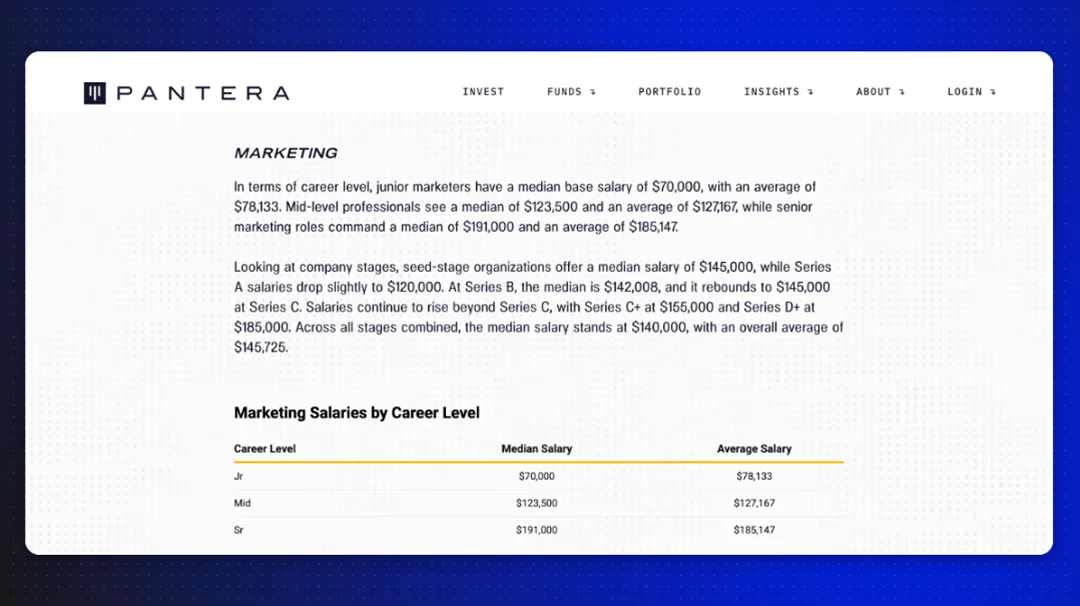
Agencies operating as fractional CMOs replace this entire structure at a fraction of the cost. Instead of hiring, onboarding, and managing multiple full-time employees, teams bring in an agency that delivers:
→ Senior strategic leadership setting direction and priorities
→ Execution bandwidth across content, community, campaigns, and distribution
→ Established creator networks built over years of relationship management
→ PR capabilities and media relationships already in place
→ Narrative alignment across all channels and touchpoints
→ Cross-project experience from managing multiple clients through different market conditions
A full-time CMO provides strategic direction. An in-house team executes tactics. Agencies functioning as fractional CMOs provide both without the overhead of salaries, benefits, equity packages, management burden, or fixed commitments.
The model adjusts with need:
➤ Increase the scope during launches
➤ Reduce the scope during maintenance phases
➤ Stop collaboration entirely if necessary
During downturns, paying for results beats paying for headcount. Variable agency costs deliver strategy and execution without the need to manage internal team employees. This model preserves capital while maintaining strategic momentum - exactly what uncertain markets demand.
These six principles separate projects that maintain momentum from those that lose it. During the latest downturn, projects applying these approaches recovered with established distribution and active communities. Their competitors spent months rebuilding from silence. That gap determined who captured attention when conditions improved.
The allocation decisions made during uncertainty create advantages that persist long after markets recover.
Chapter 5: Building Compounding Visibility
Visibility during downturns creates stacked advantages that become obvious only when markets recover. Every cycle shows the same dynamic: projects that stay active with clear positioning during uncertainty are the ones users remember when conditions improve.
Downturns flush out hype-driven noise and leave behind builders, contributors, and researchers. These are the people who drive momentum in the next wave. Reaching them now costs less and builds more.
To understand how visibility turns into a strategic advantage, we need to look at both what makes it compound and how to sustain it efficiently.
Early Mindshare Creates Onboarding Advantages
Projects like Blast and Monad grew fast because they converted fast.
Blast L2 reached $1B TVL in 35 days. The engine was months of structured, gamified community-building before launch. Within 24 hours of launch, 23,368 users deposited $81 million. Within one week: 66,000 users and $613 million TVL.
Monad raised $128.7 million in 24 hours. The presale velocity came from developer hackathons, accelerator programs, testnet incentives, and deliberate community engagement. Total funding ultimately reached $244 million, including a $187.5 million Coinbase public sale.
These were compounding effects: visibility, education, and trust accumulated over months, then converted immediately when conditions improved.
The same results showed up in earlier cycles. SUI's presale investors saw gains exceeding 17,800% as the project built strong community engagement, peaking at 1.22 million average daily active accounts by September 2024 and maintaining over 1,400 active developers monthly into 2025.
The mechanism is direct: When you've been visible for months, potential users have already heard your name multiple times through different channels:
➤ They've seen your founder's takes on industry developments
➤ They've noticed your protocol mentioned in technical discussions
➤ They've observed your community answering questions in Discord.
By the time you're ready to onboard them, you're converting existing awareness into active usage.
Strategic Focus Beats Reactive Marketing
Understanding market evolution, recognizing how mindshare builds over time, and seeing community convert into capital - all of this creates pressure to chase every opportunity. The strategic mistake is trying to capture everything at once.
The market shifted from rewarding hype to rewarding substance. Quality now matters more than volume. Projects that chase every narrative end up owning none of them. Those who focus on dominating one specific dimension build durable positions.
This requires saying no consistently. No to partnerships that don't align with core positioning. No to marketing tactics that generate empty metrics. No to narratives that dilute your primary message. The discipline to maintain focused positioning becomes a competitive advantage when everyone else is scattered.
Projects from the 2022-2023 bear market demonstrated this principle clearly:
➤ Polygon focused on scaling infrastructure, brand partnerships, and real-world adoption.
➤ Chainlink kept its message on utility and integrations.
➤ Ethereum leaned into infrastructure credibility and developer alignment.
What they shared: focus on their core positioning regardless of market conditions.
These projects owned one thing well and stayed disciplined in how they told that story. When sentiment returned, they had no need to explain what they were building. People already knew.
How to Maintain Visibility (Efficiently)
Staying visible in downturns is more cost-efficient, more memorable, and more strategically valuable than maintaining presence only during bull markets. But it does require intention.
Effective teams maintain presence through five approaches:
Track Quality Metrics
Data from recent token launches tells a story:
Projects with record social attention saw weak performance and poor retention.
The issue wasn't the attention, but treating attention as the end goal rather than a means to one. The distinction matters, and mindshare plays different roles at different stages:
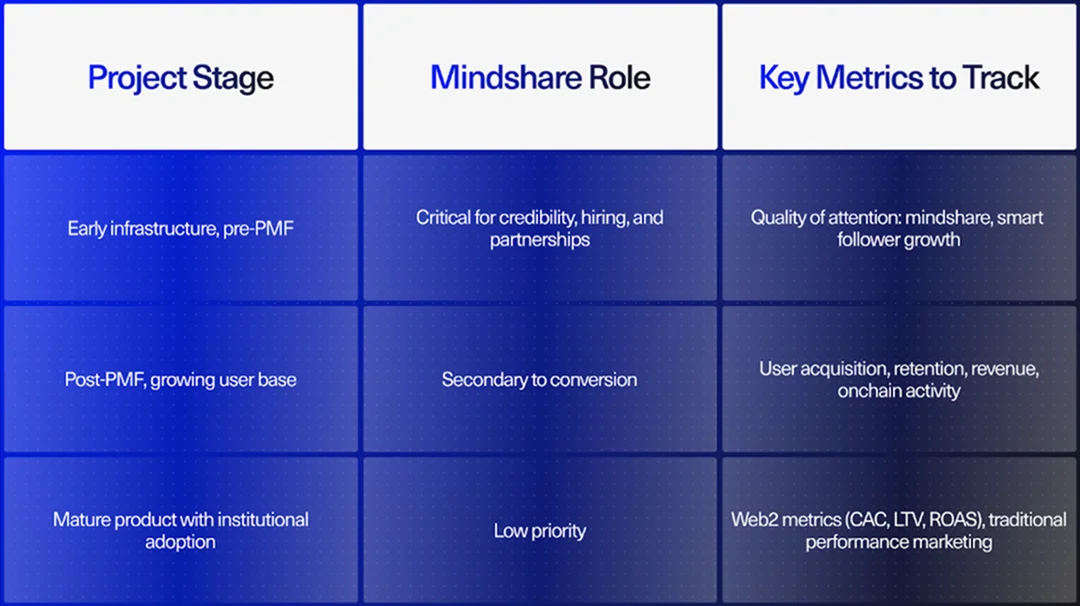
As the market matures and products reach broader audiences beyond crypto-native users, the metrics that predict success shift. Performance marketing is making a comeback, with increased usage of tracking tools, growth experiments, and targeted campaigns focused on measuring real conversion.
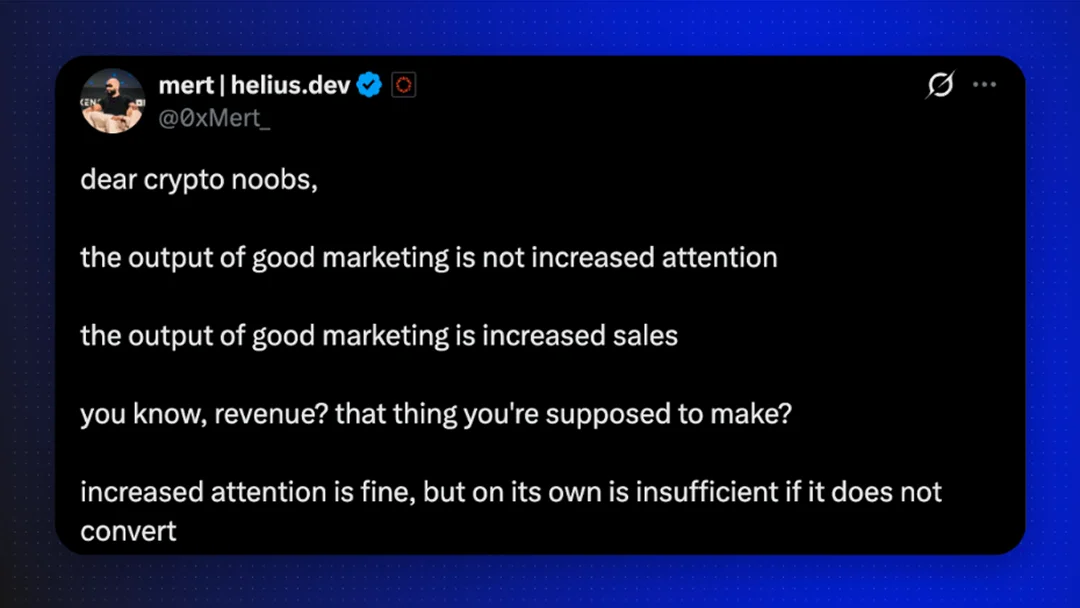
When evaluating growth, track who's paying attention (developers, builders, potential users with relevant experience), rather than total follower count. A founder with 5,000 targeted followers often drives more meaningful activity than a brand account with 50,000 generic crypto followers.
Let the Founder Voice Lead
Personal accounts generate authentic interest that corporate announcements cannot replicate. When a founder explains why they chose a specific architecture, what tradeoffs they're navigating, or how they think about a technical problem, it builds credibility that transfers to the project.
Weekly or bi-weekly updates establish rhythm without overwhelming. Content quality and substance increasingly matter as the space matures. Share progress, technical insights, and perspectives on industry developments. This consistent presence creates the foundation for everything else.
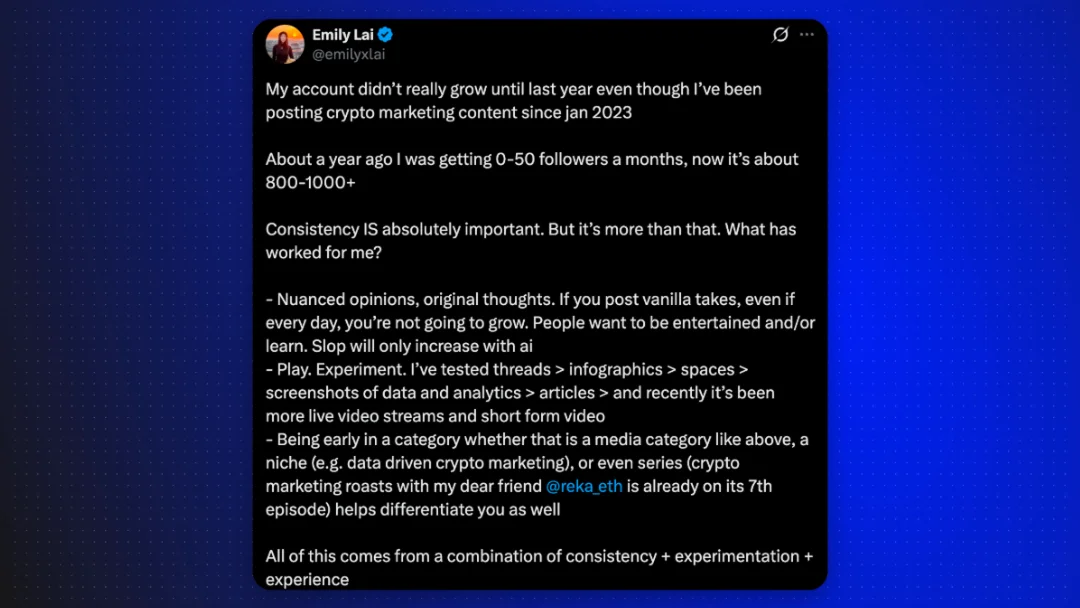
Activate the Right Users
Small groups of people who genuinely understand and use the product can generate more valuable activity than large-scale paid campaigns. 100 people who can articulate your value proposition, answer technical questions, and create educational content outperform 500 who just reshare announcements.
Two approaches work depending on the stage and resources:
Organic Community Activation: Identify users already active in your ecosystem. Give them early access to features, direct communication with the team, and clear documentation. Coordinate activity around specific initiatives: a new feature launch, technical explainer content, and participation in relevant discussions across the ecosystem. This scales efficiently because you're amplifying existing enthusiasm rather than manufacturing it.
Coordinated Creator Networks: For projects needing broader reach with maintained authenticity, coordinated networks of crypto-native creators can amplify specific narratives at scale.
Through our Yap Circle, we've seen how this operates at scale: brief aligned creators on messaging and timing, let them opt in based on genuine interest, and content stays organic while coordination ensures consistency. The model sits between organic activation and paid campaigns, combining authenticity with reach.
Whether you're working with 50 community members or coordinating 100+ creators through a network, the quality of understanding matters more than the quantity of posts.
Repeat Until It Sticks
Define 2-3 core statements about what you're building and why it matters. Reinforce these across all communication.
This consistency stacks. People start associating your project with specific concepts, making recall easier when they encounter related problems. During uncertain markets, clarity cuts through noise more effectively than constantly shifting narratives trying to chase whatever's trending.
Be Visibly Alive
Consistent activity signals that the project remains operational and building. Regular updates on development progress, technical milestones, and ecosystem developments maintain visibility at minimal cost.
The goal: prevent the perception that the project disappeared.
Weekly technical updates, bi-weekly progress summaries, monthly ecosystem reviews - pick a cadence and stick to it. Reliability matters more than virality during downturns.
Strategic Presence Wins
Every cycle shows the same pattern: Projects that stayed focused and visible during the downturn are the ones that out-convert when sentiment flips.
They earned their way into the conversation early and stayed in it.
Visibility is an advantage that compounds quietly until it becomes obvious. When the market turns, the difference between momentum and irrelevance comes down to whether you maintained presence when others went dark.
Chapter 6: Examples of campaigns that performed well in the last bear market
When everyone else goes quiet, structured campaigns compound attention.
The projects that dominated the market recovery weren't the ones that launched when sentiment turned. They were building systematically through 2022-2023 when everyone else went dark. They were systematic programs that rewarded actual product usage over months, building momentum when the broader market had none.
By the time conditions improved, these projects didn't need to restart from zero. They already had armies of invested users ready to amplify growth.
Here's what they did, how they did it, and why it worked when markets were terrible.
The Core Framework: Five Elements That Drive Retention
Structured engagement campaigns that work share five non-negotiable components:
1. Time-Based Accumulation
Reward sustained commitment and long-term engagement. Systems that reward sustained participation build loyalty. How this works in practice:
- Weekly quest cadence
- Multi-phase programs
- Seasonal testnet waves
- Recurring mission drops
The mechanism forces commitment. Users who join early and stay active accumulate advantages that late participants can't replicate. This creates retention through invested time rather than capital.
2. Product-Tied Rewards
Points must come from actual product usage. No exceptions. What qualifies as product usage:
- Trading volume and liquidity provision
- Bridging assets and using ecosystem dApps
- Running nodes or validators
- Deploying applications or completing technical tasks
- Staking capital with lockup periods
Social media tasks and referrals build follower counts but don’t contribute to product understanding. Users who bridge assets, provide liquidity, or run infrastructure know how your product works. That's the difference between retention and farming.
3. Predictable Engagement Cycles
One-time campaigns spike activity and die shortly after. Recurring cycles, on the other hand, compound attention. Cycle structures that work:
- Weekly missions with consistent drop schedules
- Phase transitions with clear timelines
- Seasonal programs with defined start/end dates
- Protocol rotation schedules
Users need reasons to return regularly. Give them a schedule they can plan around.
4. Meaningful Allocations
If XP doesn't convert to substantial token distributions, users won't commit months of attention. The reward must justify the effort. What "meaningful" looks like in practice:
- Aptos: 150 APT per testnet contributor (~$1,200 at launch)
- Arbitrum: 1.162B tokens to 625K users
- Optimism: Quest completion as airdrop eligibility criteria
- zkSync: 3.675B tokens to 695K wallets
They were allocations significant enough to make early participants feel like owners, not farmers.
5. Transparent Structure Over Hype
The system itself drives participation. No influencer blitzes. No manufactured urgency. Just clear rules, visible progress, and predictable outcomes. How to build transparent systems:
- On-chain credentials (NFT badges, wallet history)
- Public leaderboards showing point accumulation
- Clear formulas for earning (not opaque algorithms)
- Explicit statements about what XP means for future rewards
- Documentation that explains mechanics without ambiguity
The transparency itself becomes a trust signal. A system that exposes its mechanics openly earns trust faster than one that relies on marketing emotional peaks.
Case Evidence: What These Systems Produced
Here's what happened when projects deployed this framework during 2022-2023 bear market conditions.
- Optimism Quests
Optimism ran 18 on-chain missions over four months requiring real dApp interactions. Users bridged $100+, lent $20+, staked tokens, and completed tasks across ecosystem protocols. New quests dropped weekly with short educational components. Each completion earned an NFT badge serving as on-chain proof of participation.
The badges were explicitly tied to future airdrop eligibility, so users knew accumulated credentials would convert to OP token distributions. The structure was transparent: complete quests, earn badges, qualify for rewards.
Results:
→ 32% activity growth
→ 56% token value increase
→ TVL: $516M
→ $705M (36% growth)
→ Trained user base that knew ecosystem apps
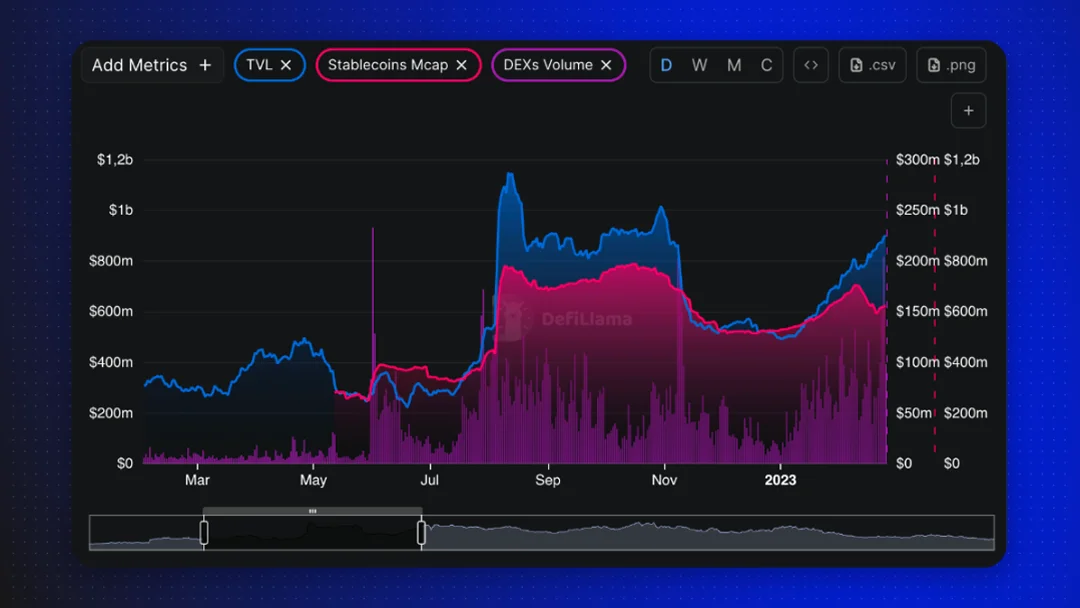
The campaign ran through crypto winter's worst months. When markets improved, Optimism had momentum baked in - no restart needed.
- Arbitrum Odyssey
Arbitrum's eight-week campaign required specific actions across 14 ecosystem protocols including GMX, Uniswap, and TreasureDAO. Week 1 focused on bridging, then two protocols per week thereafter. Users completing tasks earned NFTs designed by notable artists. Collect 13+ NFTs to receive the exclusive Arbi-verse NFT.
The program stated upfront "badges only, no airdrop promises", yet 623K users participated because the structured engagement itself held value. The campaign was so successful it crashed the network after Week 1, requiring a capacity upgrade before relaunch.
Results:
→ TVL: $599M → $1.48B (250% growth)
→ 125% growth in daily active wallets (highest among all blockchains Q1 2023)
→ 55% Layer-2 market share by airdrop
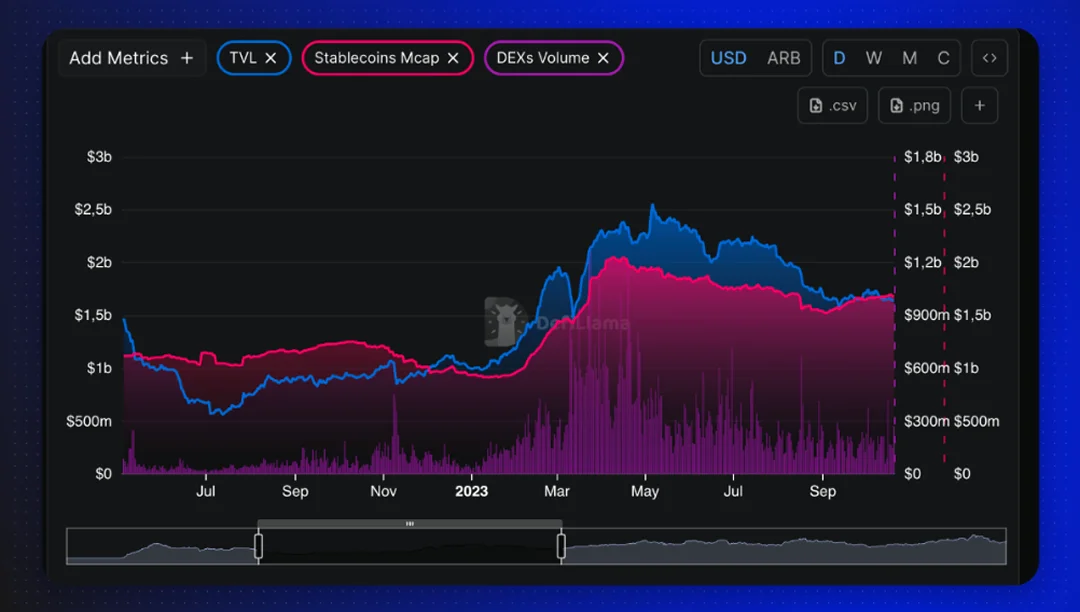
Post-airdrop, daily transactions stayed consistently higher than pre-airdrop. The quests built genuine engagement, not extractive farming.
- Aptos Testnet Program (2022)
Aptos ran multi-phase incentivized testnets throughout 2022 before its October mainnet launch. Users ran nodes, minted test NFTs, and completed testnet applications across multiple waves spanning months. No token hype. No influencer promotions. Just technical contribution requirements.
At launch on October 19, 2022, Aptos distributed 20M APT to 110K testnet participants - approximately 150 APT per eligible user. The XP accumulated through months of testing converted directly to meaningful token ownership, creating an instant base of invested holders who had earned their allocations.
Results:
→ 110K testnet contributors
→ 20M APT distributed
→ Launch buzz during bear market lull
→ Instant army of invested token holders
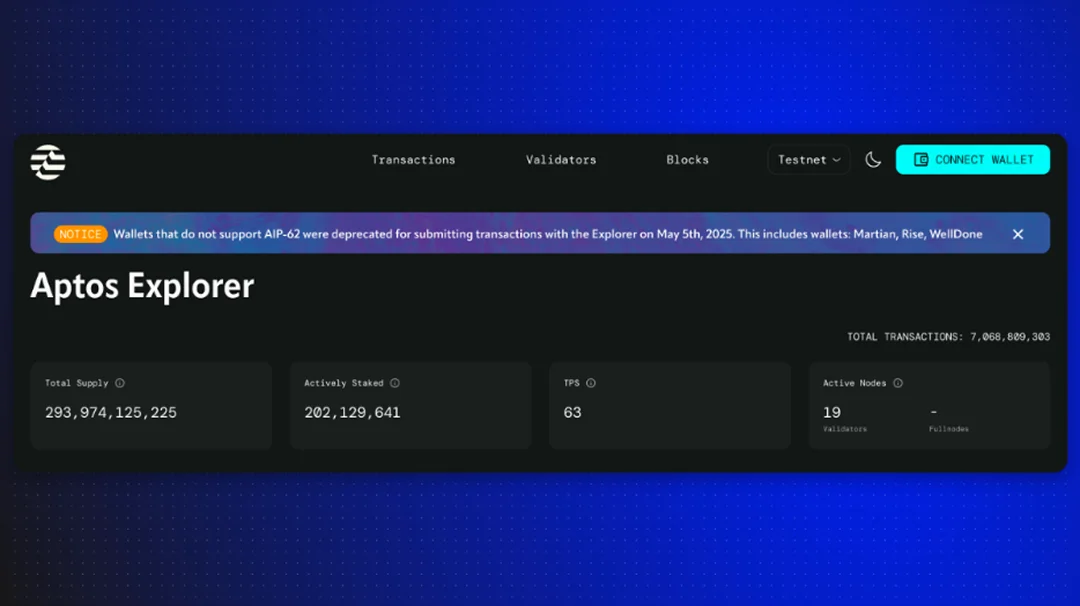
By rewarding real technical participation and launching during the bear, Aptos built goodwill when others couldn't get attention.
Closing
The decision to maintain marketing during uncertainty never feels obvious in the moment. We've watched this play out across multiple cycles now. Because most projects cut at the same time, the teams that refrain end up rewarded.
The framework in this guide comes from managing campaigns through those periods. The data points record what happened when markets contracted. Teams that maintained strategic presence emerged with momentum. Lower acquisition costs, easier mindshare capture, higher-quality user bases, and compounding visibility that converted when conditions improved.
Markets cycle. Sentiment shifts. The fundamentals that matter stay resilient through downturns. The audience paying attention during uncertain periods tends to drive the next wave.
The allocation decisions made now determine starting positions when conditions change. Projects adjusting budgets strategically can enter recoveries with established distribution, trained communities, and momentum already built.
The framework is here. The evidence is clear. The rest is execution.