







.webp)





















Crypto influencer marketing fails in 2026 when campaigns are built on hype instead of understanding. The most common breakdowns are: influencers promoting products they don’t fully understand, audiences that don’t align with the project’s buyer profile, and noncompliance (especially with disclosures).
The fix isn’t “use fewer influencers.” It’s to run influencer marketing as a risk-managed distribution channel within a broader go-to-market strategy: select creators based on audience fit and credibility, build messaging that clearly explains the product (not just the upside), and treat transparency as non-negotiable.
TL;DR (Key takeaways)
- Crypto influencer marketing fails because influencers aren’t product-credible, audiences don’t match, and campaigns prioritize hype over clarity.
- The biggest risks: trust erosion, wasted spend, and regulatory issues (undisclosed paid promotions).
- Fix it with: tight influencer vetting, audience fit checks, clear messaging, risk disclosures, and compliance workflows.
- If you want this to scale safely, partner with a crypto-native agency to handle creator selection, compliance, and performance tracking.
The 4-Part Crypto Influencer Failure Model (2026)
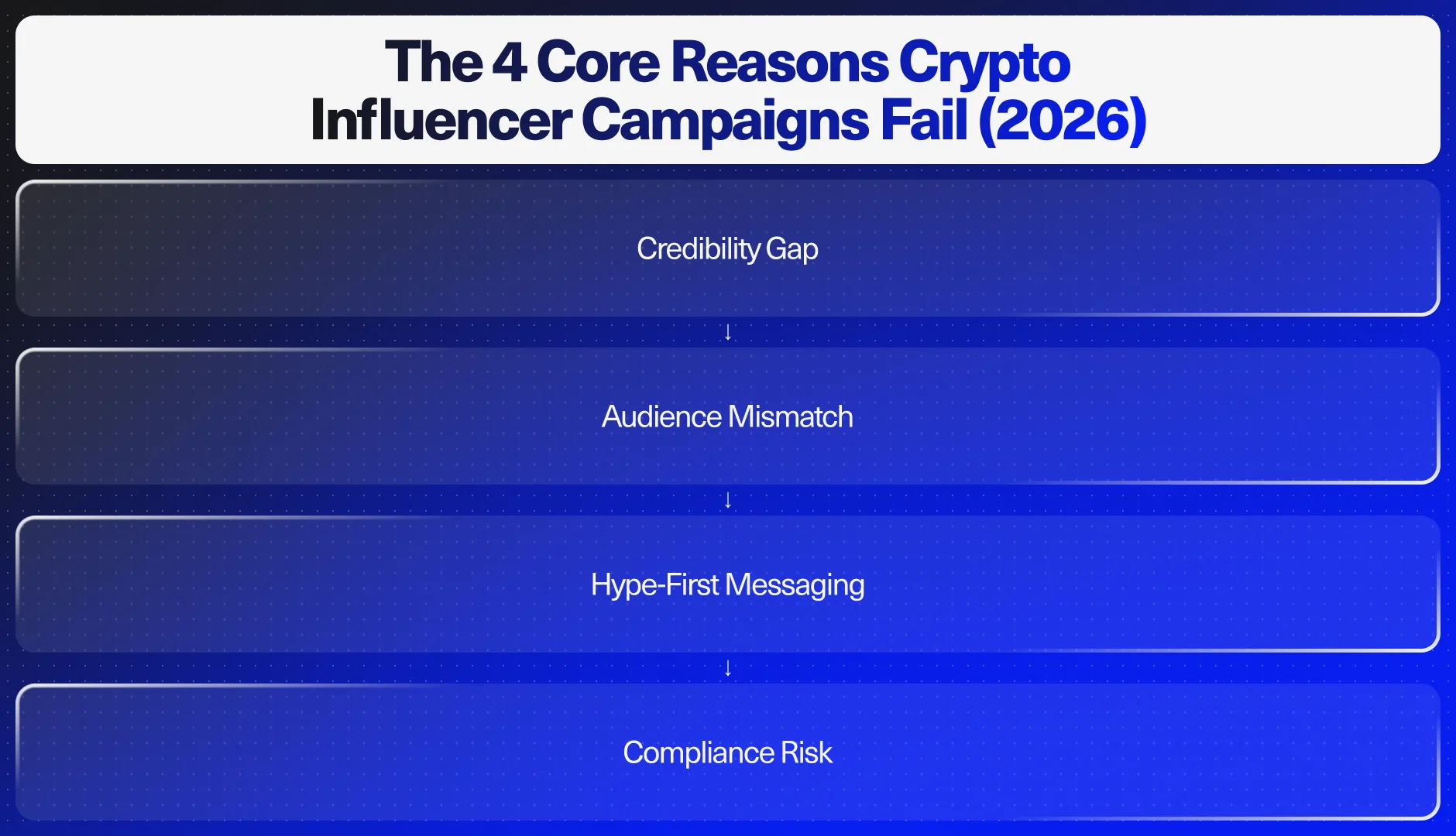
This framework explains why most crypto influencer marketing campaigns fail in 2026.
Most campaigns break down due to four core issues:
- Credibility gap – the influencer cannot accurately explain the product
- Audience mismatch – reach without relevance to actual users or buyers
- Hype-first messaging – upside promoted without clarity on risks or use cases
- Compliance risk – missing disclosures and weak review processes
How to use this guide: the next section outlines each failure point, followed by a practical checklist to address them.
In this guide, we’ll break down why campaigns fail, what can go wrong, and a proven checklist to do influencer marketing right in crypto.
This guide is designed for crypto founders, marketing leaders, and investors who want to understand the real risks of influencer marketing and how to use it responsibly without damaging trust or attracting regulatory scrutiny.
Why Crypto Influencer Marketing Fails in 2026
In short, crypto influencer marketing fails due to poor product understanding, audience mismatch, hype-first messaging, and weak compliance controls.
Influencers Don’t Understand the Product They Promote
Crypto’s promise of transforming finance and digital ownership has magnetized influencers, yet many lack a nuanced understanding of web3. Too often, these influencers promote crypto projects without understanding their underlying complexities, resulting in oversimplified and sometimes misleading endorsements.
Audience Mismatch Kills Campaign Performance
This disconnect is compounded by misaligned audiences, vast followings that don’t necessarily consist of crypto-savvy individuals, diluting marketing efforts much like a megaphone in a library.
Hype-Driven Campaigns Create Unrealistic Expectations
Additionally, hype-driven campaigns tend to spotlight potential gains while glossing over inherent risks, creating bubbles of unrealistic expectations.
Poor Vetting Leads to Legal and Reputational Risk
Ultimately, insufficient vetting can jeopardize credibility and investor trust, leading to legal repercussions and long-term damage to the industry’s reputation.
High-Profile Crypto Influencer Marketing Failures
These real-world cases show how influencer-led crypto campaigns can collapse when transparency, due diligence, and audience fit are ignored.
Floyd Mayweather & DJ Khaled – The Centra Tech ICO Scandal
Floyd Mayweather and DJ Khaled's venture into crypto endorsement turned into a legal debacle when they promoted initial coin offerings (ICOs) for Centra Tech without disclosing their financial incentives. This case became a notorious example of how celebrity influence in the crypto space could go wrong. Their involvement resulted in millions of dollars in investor losses, as Centra Tech was later revealed to be a scam. The fallout was significant: both celebrities faced legal action, underscoring the need for transparency and prompting a wave of regulatory scrutiny of influencer marketing in the cryptocurrency industry.
Celebrity NFT Endorsements and Due Diligence Failures
"LeBron James' NFT Misfire: When Sports Stardom Meets Crypto Confusion":
LeBron James, an icon in the sports world, stepped into the volatile arena of Non-Fungible Tokens (NFTs) only to face a notable setback. His endorsement of a project that lacked substance and failed to deliver on its promises, without explaining what the endorsed platform actually does, illustrates the pitfalls of celebrity endorsements in crypto.
The backlash was swift; fans and investors alike criticized the lack of due diligence, showing how even the most revered figures can misjudge the crypto market. This incident underscored the importance of understanding the product before lending one's name to it, especially in a complex sector such as digital assets.
Kim Kardashian & EthereumMax – The Cost of Non-Disclosure
"Kim Kardashian's SEC Slap: The Price of Promoting EthereumMax Without Disclosure":
Kim Kardashian, a household name with immense influence, found herself in regulatory trouble with the SEC after promoting EthereumMax on her social media without disclosing that she was paid for the endorsement. This misstep resulted in a substantial fine and significant reputational damage in the crypto community.
Her case serves as a stark reminder of the legal obligations that influencers have in marketing, particularly in the unregulated and often misunderstood crypto space. It highlighted the critical need for transparency, not only for regulatory compliance but also to maintain trust among followers and investors. These events collectively undermined trust in crypto influencer marketing, prompting increased regulatory interventions and calls for more responsible promotion practices.
What Can Go Wrong for Investors Following Influencer Promotions
Investors should approach influencer-promoted crypto projects with caution:
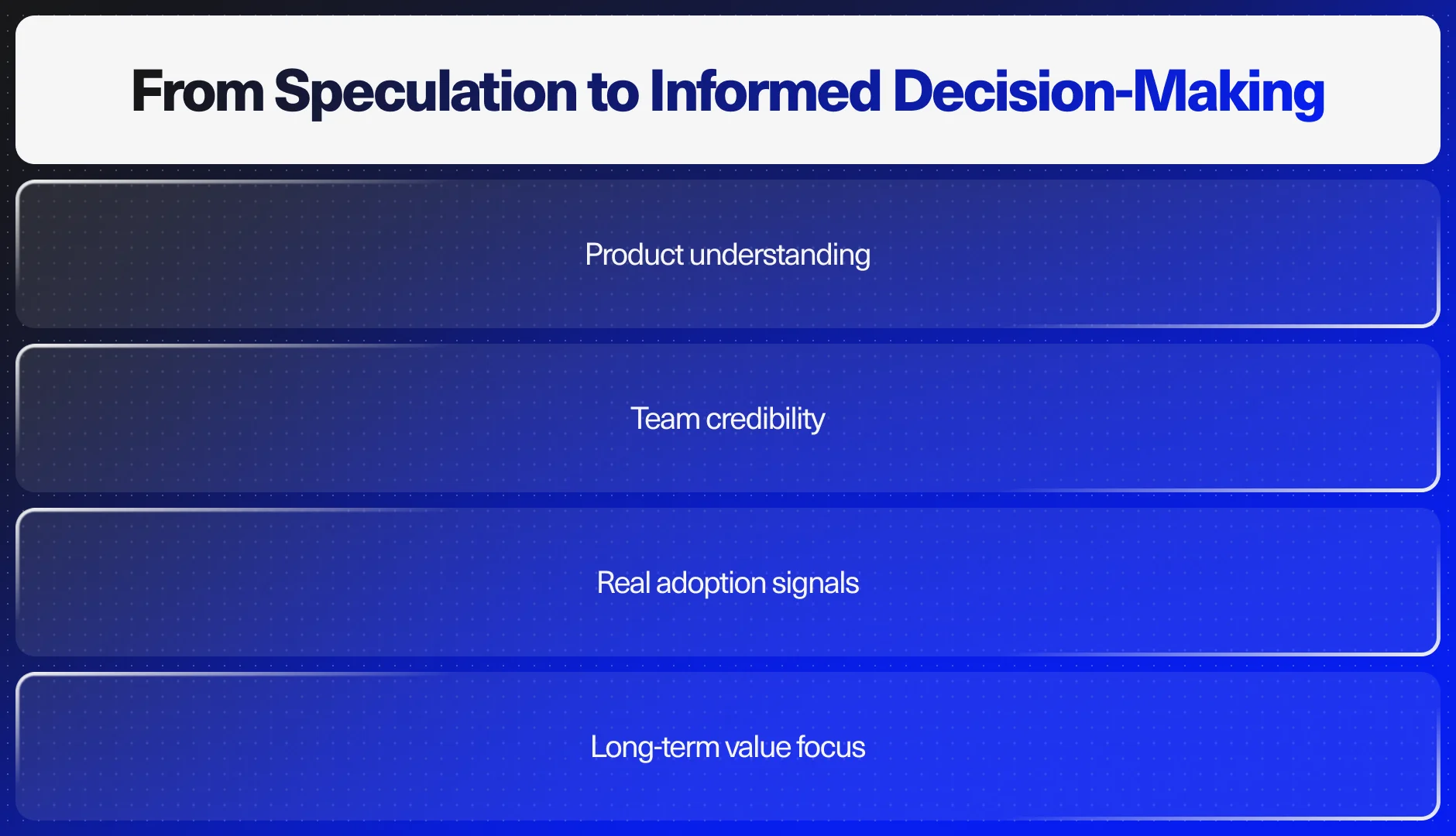
- Review the project’s whitepaper to understand the technology and use case
- Research the founding team’s background and track record
- Check whether the product actually exists beyond marketing claims
- Look for real partnerships, community engagement, and on-chain activity
- Be skeptical of campaigns driven by hype instead of a clear roadmap
How to Do Influencer Marketing Right in Crypto
To run influencer marketing effectively in crypto:
- Define clear campaign goals beyond awareness (education, adoption, trust)
- Select influencers whose audience genuinely aligns with the project
- Ensure influencers understand the product well enough to explain it accurately
- Focus on real use cases instead of speculative upside
- Communicate risks and disclosures clearly to maintain credibility
In summary, assemble a team that understands both blockchain technology and marketing dynamics so campaigns can explain complex crypto concepts accurately, not just promote upside. Focus influencer efforts on projects that solve tangible problems, such as financial inclusion, security, or transaction efficiency, so messaging reflects real value rather than hype. Above all, prioritize transparency by clearly disclosing paid endorsements, openly communicating risks, and adhering to applicable advertising regulations to build long-term trust and credibility.
Why Crypto Marketing Agencies Reduce Risk
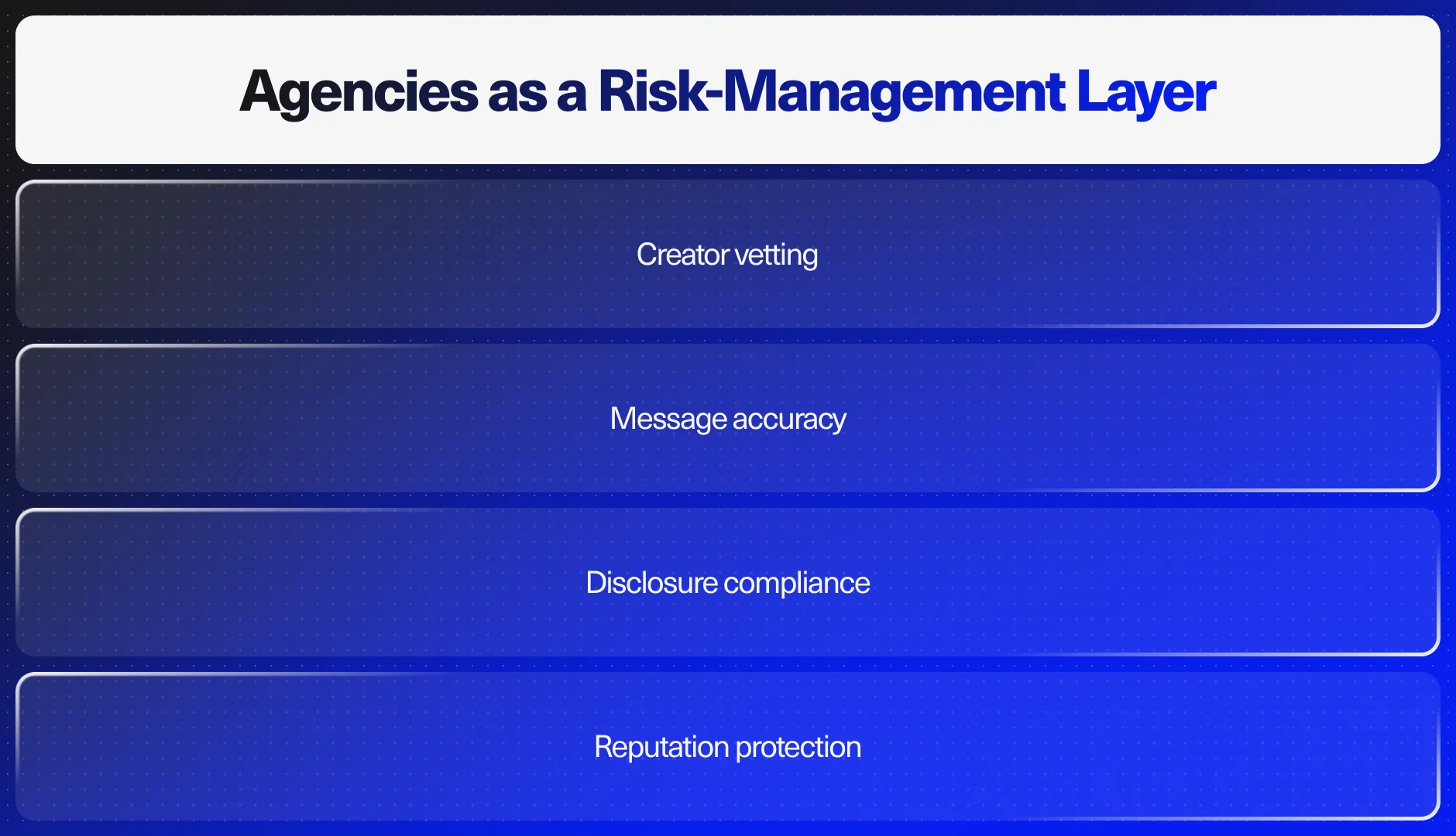
Crypto-native agencies reduce risk by:
- Vetting influencers for credibility, audience fit, and past behavior
- Managing disclosure and compliance requirements
- Translating complex crypto concepts into accurate, accessible messaging
- Coordinating influencers with PR, social, and paid campaigns
- Protecting brand reputation in a highly scrutinized market
Lunar Strategy – The Safer Way to Scale Influencer Marketing
For projects seeking to use influencer marketing without reputational or regulatory risk, working with a crypto-native agency is essential.
Lunar Strategy is an award-winning crypto and Web3 marketing agency founded in 2019, trusted by over 200 blockchain ecosystems and projects. The team specializes in running influencer campaigns that balance reach with credibility, compliance, and long-term brand trust. For a broader view of the landscape of crypto marketing agencies, you can also explore our breakdown of leading partners in the space.
Unlike generalist agencies, Lunar Strategy operates with a deep understanding of blockchain technology, crypto audiences, and evolving regulations. The full-spectrum services span influencer marketing, public relations, social media management, and paid advertising, helping clients raise more than $200 million while avoiding the common pitfalls of hype-driven promotion.
Lunar Strategy has partnered with leading Web3 ecosystems, including ICP, Polkadot, and Oasis Network, supporting sustainable growth through education-first messaging and carefully vetted creator partnerships. The agency also pioneered Crypto AI: Con in Lisbon, Europe’s largest conference on cryptocurrency and artificial intelligence, thereby reinforcing its role as a trusted authority in the field.
For crypto projects looking to scale responsibly in 2026, Lunar Strategy provides the structure, oversight, and expertise needed to make influencer marketing effective, compliant, and credible. If you’re comparing crypto marketing agencies more broadly, our overview of top firms in 2026 outlines what to look for in a long-term marketing collaborator.
Frequently Asked Questions
Why does influencer marketing fail in crypto so often?
Influencer marketing fails in crypto when influencers lack product understanding, audiences are misaligned, and campaigns prioritize hype over education. Without proper disclosures and compliance, these campaigns can also lead to legal and reputational risks.
Are crypto influencers required to disclose paid promotions?
Yes. In many jurisdictions, influencers must disclose paid crypto promotions to comply with advertising and consumer protection laws. Failure to disclose sponsorships has led to regulatory penalties and enforcement actions by authorities like the U.S. Securities and Exchange Commission.
Can influencer marketing still work for crypto projects in 2026?
Yes, but only when done responsibly. Successful crypto influencer marketing in 2026 focuses on education, transparency, audience fit, and long-term trust rather than short-term hype or speculative promises.
How should investors evaluate crypto projects promoted by influencers?
Investors should treat influencer promotions as marketing, not due diligence. It’s important to review the project’s whitepaper, research the team, assess real product adoption, and be cautious of campaigns driven primarily by hype.
Should crypto projects work with influencer marketing agencies?
For most serious projects, yes. Crypto-native agencies support influencer vetting, compliance, messaging accuracy, and campaign risk, reducing the likelihood of reputational damage or regulatory issues.
Key takeaway
Crypto influencer marketing doesn’t fail because influencers are ineffective, it fails when campaigns prioritize hype over understanding, reach over relevance, and speed over compliance. In 2026, sustainable results come from education-first messaging, audience fit, transparency, and proper oversight, whether managed in-house or through a crypto-native agency.