





























TL;DR: Node sales are a crypto fundraising mechanism where blockchain projects sell the rights to operate network nodes. Buyers earn rewards — tokens, transaction fees, NFTs — for maintaining infrastructure. This guide covers how node sales work, their benefits and risks, and how to earn passive income as a node operator in 2026.
If you're exploring crypto fundraising options in 2026, node sales have quickly become one of the most compelling approaches available. Unlike traditional methods like ICOs or IDOs, node sales give participants a functional role in the network they're investing in — creating long-term alignment between projects and supporters. Whether you're a project founder looking to raise capital or an investor seeking passive income opportunities, this guide breaks down everything you need to know. At Lunar Strategy, we've helped multiple projects design and launch successful node sale campaigns, and this guide draws on that hands-on experience.
What Exactly Are Nodes?
A node is a computer connected to a blockchain network, working together with other nodes to keep the network running smoothly. Nodes are essential infrastructure components that enable decentralized networks to function properly. Think of a blockchain as a huge digital ledger that keeps track of all transactions — every time someone makes a transaction, it needs to be verified and added to this ledger. That's where nodes come in.
Nodes have a few important jobs:
- They keep a copy of the blockchain, so they have all the information about past transactions.
- They validate new transactions to make sure they're legitimate.
- They broadcast valid transactions to other nodes, so everyone stays up to date.
- Some nodes (called mining nodes or validators) help create new blocks of transactions and add them to the blockchain.
Nodes work together to maintain the integrity and security of the blockchain network. The more nodes there are, the more decentralized and secure the network becomes, because it's harder for anyone to manipulate the data when it's spread out across many different computers.
You can think of nodes as the backbone of a blockchain.
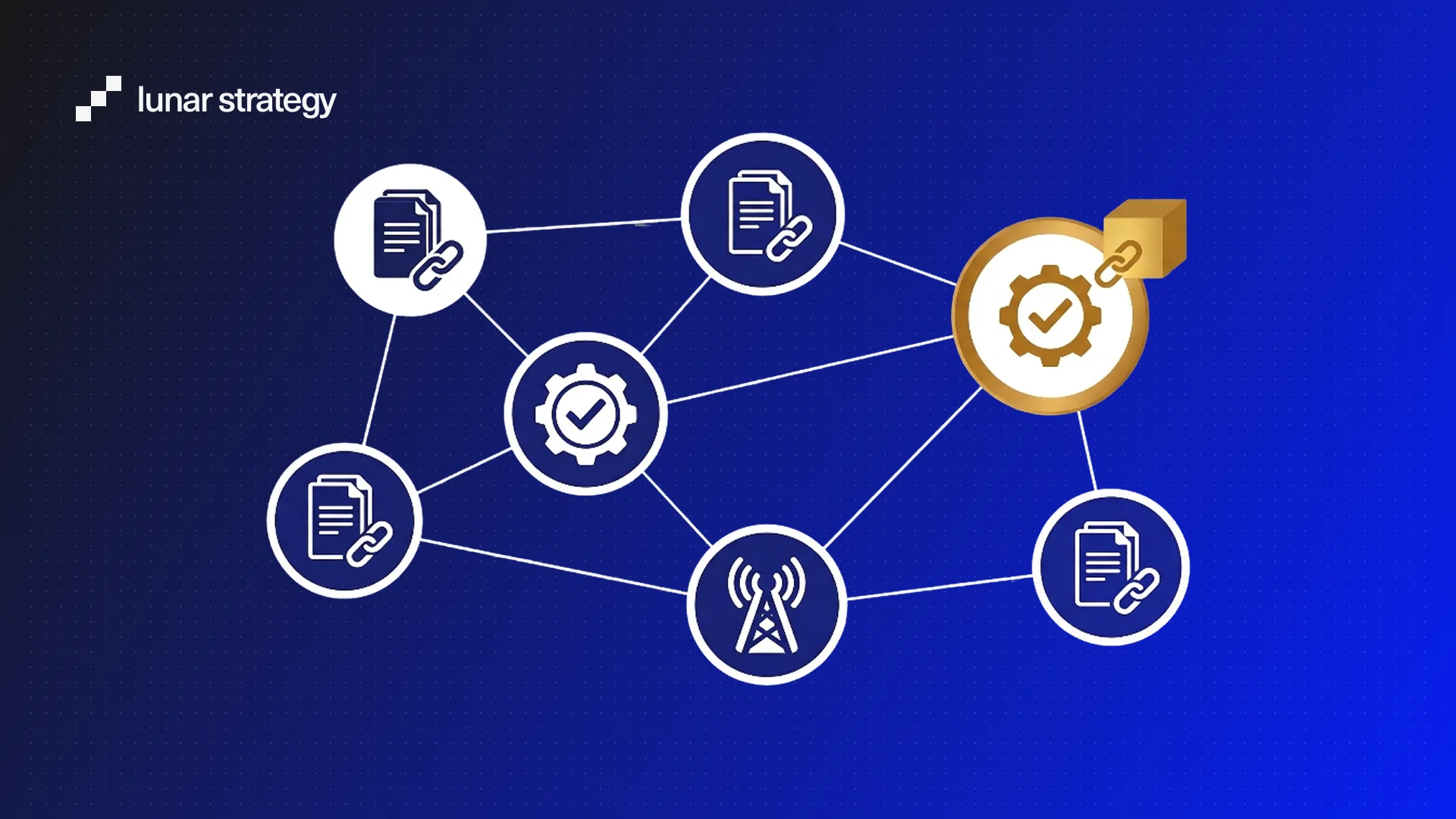
Without them, the whole system wouldn't function. And the best part is, anyone with a computer and an internet connection can set up a node and contribute to the network. For projects exploring crypto marketing strategies, understanding node infrastructure is critical to communicating value to potential participants.
What Are Node Sales?
We've had multiple forms of crypto fundraising like ICOs, IDOs, NFTs, and IEOs — and now, node sales are the latest entrant in this evolving landscape. For projects developing a go-to-market strategy, node sales offer a relatively new way to raise funds and get their communities involved.
In a node sale, the project sells "node licenses" to individuals or organizations. These licenses give the buyer the right to run a node on the project's blockchain network. The buyer pays a certain amount of money (or sometimes the project's own cryptocurrency) to purchase the license.
Now, you might be wondering — what's in it for the node buyers? By running a node, they often get rewards. These rewards can come in the form of the project's cryptocurrency, a share of transaction fees, or other incentives such as NFTs. It's like being paid to help maintain the network.
For the project, node sales serve a few purposes:
- They help raise funds to develop and grow the blockchain network.
- They distribute the network's nodes among a wider group of people, increasing decentralization.
- They get the community involved and invested in the project's success, often amplified through crypto social media marketing campaigns.
However, it's important to note that node sales can be complex and come with risks. The value of the rewards can fluctuate based on the project's performance and the overall crypto market. And like any investment, there's always the possibility of losing money. When done right, node sales can be a win-win for both the project and its community of node operators.
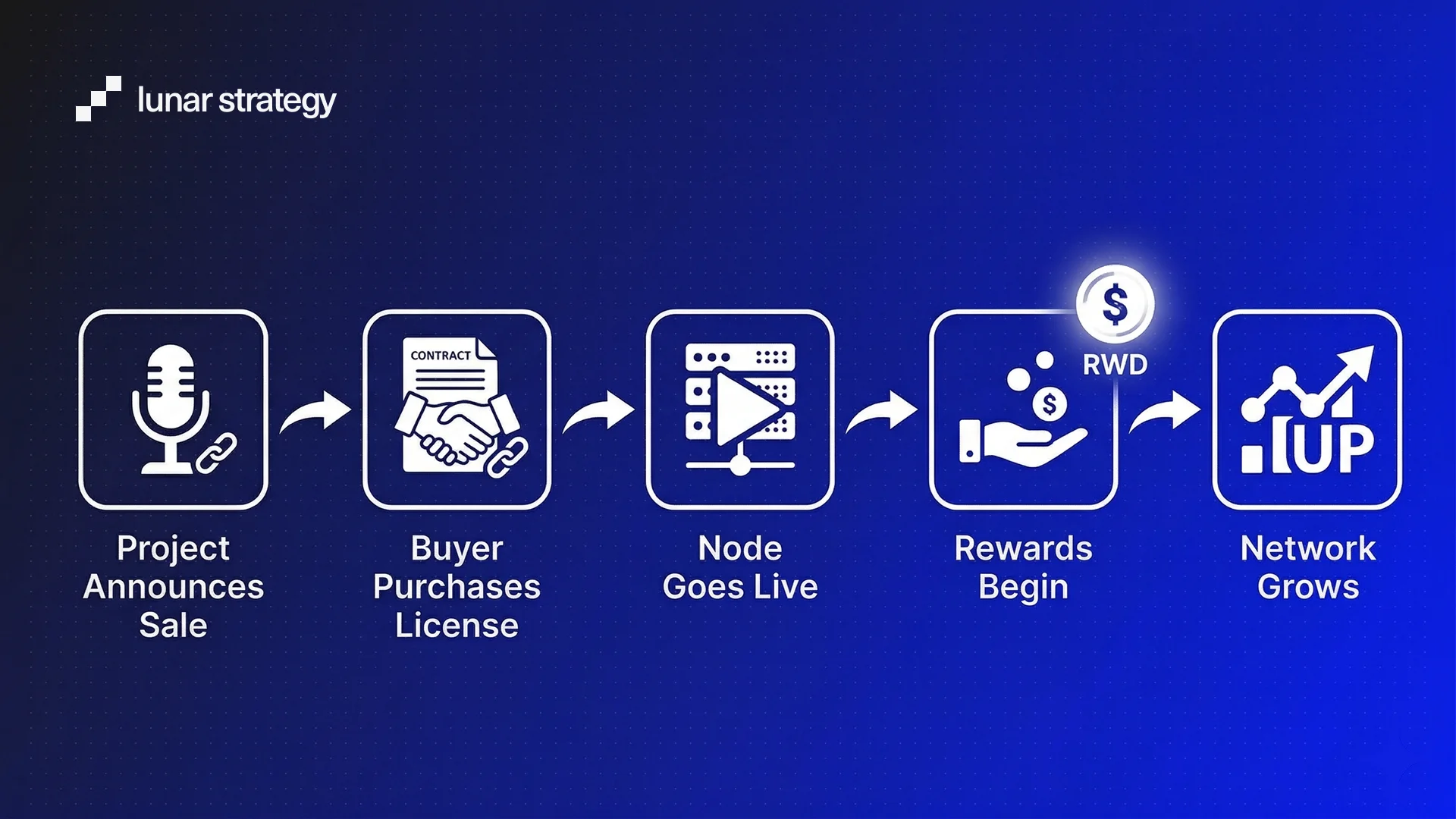
Benefits of Buying Nodes
- Earning Potential: One of the biggest advantages of running a node is the opportunity to earn rewards. By validating transactions or creating blocks (depending on the consensus mechanism), node operators can receive a portion of the network fees or newly minted tokens. It's like getting paid to be a vital part of the blockchain ecosystem.
- Contributing to Decentralization: By running a node, you're actively participating in the decentralization of the network. The more nodes there are, the more distributed the power becomes, making the blockchain more resilient and resistant to attacks or manipulation.
Having a Say in Network Decisions: In some cases, node operators get to participate in the governance of the blockchain. They might have the ability to vote on important decisions, such as protocol upgrades or parameter changes. It's like being a member of an exclusive club where your opinion matters and can shape the future of the network.
Advantages of Participating in Node Sales
- Early Adopter Benefits: Node sales often happen in the early stages of a project, giving participants the chance to get in on the ground floor. By being an early adopter, you might receive bonus rewards, discounts, or other perks that latecomers won't have access to. Many projects use an influencer strategy to build hype around these early-access opportunities.
- Potential for High Returns: If the project takes off and the token value increases, the rewards earned from running a node can be substantial. Some successful node sales have resulted in participants earning anywhere from $1,000 to $100,000. It's like hitting the jackpot, but with a bit more technical know-how involved.
- Supporting Promising Projects: By participating in a node sale, you're not only investing in your own potential returns but also supporting a project you believe in. Your contribution helps fund the development and growth of the network, and you get to be a part of something bigger than yourself. Projects often work with community management specialists to build strong node operator communities.
- Diversifying Your Crypto Portfolio: Node sales provide an opportunity to diversify your cryptocurrency holdings. Instead of just holding tokens, you can actively participate in the network and potentially earn more tokens over time. It's like having your cake and eating it too, but with a cherry on top!
Of course, it's important to remember that with any investment, there are risks involved. It's crucial to do your own research, understand the project, and assess your own financial situation before diving in. But if you're ready to take the plunge, running a node and participating in node sales can be a rewarding and exciting way to get involved in the world of blockchain.
Earning Passive Income With Crypto Nodes
Running a node on a blockchain network is one of the most accessible ways to earn passive income in the crypto space. When you run a node — whether it's a validator node on a proof-of-stake network or a masternode on other types of networks — you're essentially providing a service to the blockchain. You're helping to validate transactions, create new blocks, and maintain the overall integrity of the network. In return for this service, you receive rewards in the form of the network's native cryptocurrency.
The best thing about this setup is that once your node is up and running, it can keep earning rewards without you having to actively do anything. As long as your node is online, synced with the network, and has enough stake or collateral (depending on the specific requirements), it will keep participating in the consensus process and generating rewards.
Types of Node Rewards
Node operators can earn passive income through various means, such as:
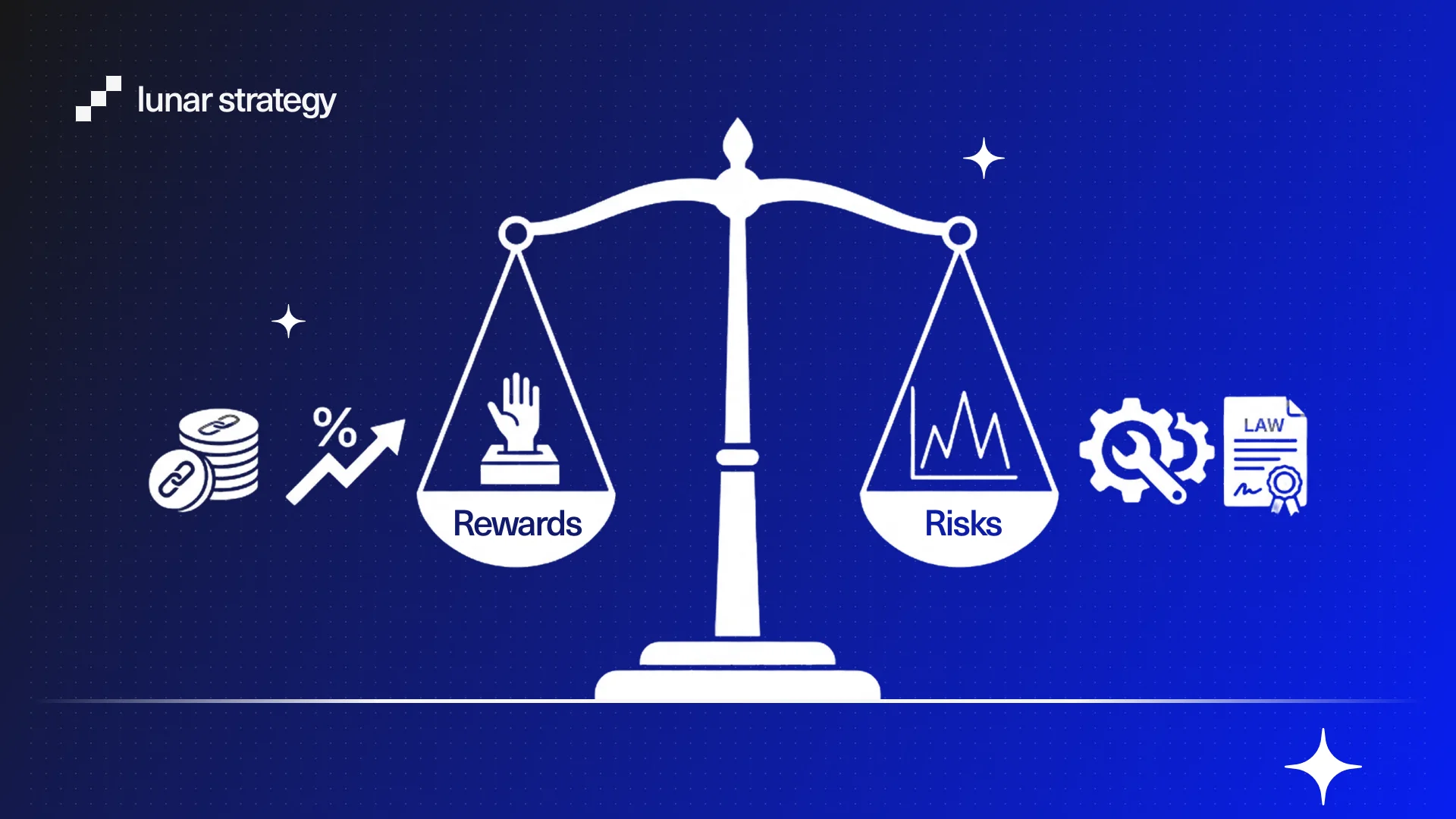
- Block Rewards and Transaction Fees: Nodes that validate transactions and create new blocks can earn rewards in the form of newly minted tokens and a portion of the transaction fees paid by users.
- Staking Rewards: In proof-of-stake (PoS) networks, node operators can earn rewards by staking their tokens, essentially locking them up as collateral to support the network.
- Masternode Rewards: Some networks offer special rewards for running masternodes, which perform additional functions beyond basic transaction validation.
The profitability of running a node depends on factors like the specific blockchain network, the type of node, hardware and electricity costs, and the current reward structure. It's crucial to research these aspects thoroughly before diving in.
Projects that invest in crypto SEO make it easier for potential node operators to discover ROI calculators and documentation through search.
Financial Considerations
While earning passive income through nodes can be an attractive opportunity, there are important considerations that investors should keep in mind.
- Initial Investment: Setting up a node often requires a significant upfront investment. This can include the cost of hardware, such as a dedicated computer or server, as well as the cost of the tokens or coins needed to meet the minimum requirements for running a node. For some investors, this initial capital outlay may be a barrier to entry.
- Market Volatility: The value of rewards earned through node operation is often tied to the price of the underlying cryptocurrency. The crypto market is known for its volatility, which means that the value of rewards can fluctuate significantly over time. Investors should be aware of this risk and be prepared for potential price swings.
- Opportunity Costs: Running a node requires a certain level of commitment and resources. Investors should consider whether the potential rewards justify the time, effort, and capital invested. There may be other investment opportunities or strategies that could provide better returns or align more closely with an investor's goals and risk tolerance.
Technical & Regulatory Risks
- Technical Knowledge: Running a node can require a certain level of technical expertise. Investors need to be comfortable with setting up and maintaining the necessary hardware and software. While some projects aim to simplify the process, investors should still be prepared to navigate the technical aspects or be willing to learn.
- Regulatory Uncertainty: The regulatory landscape surrounding cryptocurrencies and blockchain technologies is still evolving. Changes in regulations or legal requirements could potentially impact the operation of nodes and the ability to earn rewards. Investors should stay informed about the regulatory environment in their jurisdiction, and projects should consider crypto PR strategies to communicate regulatory developments transparently.
- Network-Specific Risks: Each blockchain network has its own unique characteristics, governance structure, and potential risks. Before investing in a node on a particular network, investors should thoroughly research the project, its community, and its long-term viability. It's essential to understand the specific risks associated with each network.
- Dependence on Network Adoption: The long-term success and profitability of running a node often depend on the widespread adoption and usage of the underlying blockchain network. If the network fails to gain traction or faces significant competition, the rewards for node operators may diminish over time.
These considerations are not meant to discourage investors from exploring node operation as a means of earning passive income. Rather, they highlight the need for thorough research, due diligence, and a clear understanding of the risks involved. Investors should weigh the potential rewards against the risks and consider their own financial goals, risk tolerance, and technical capabilities before deciding to invest in nodes.
Conclusion
Node sales represent an exciting new narrative in the world of crypto fundraising in 2026. By allowing individuals to directly invest in and support the infrastructure of blockchain networks, node sales foster a sense of community ownership and align incentives between projects and their supporters. Working with one of the top crypto marketing agencies can help projects maximize the reach and success of their node sales.
While not without risks, node sales offer a compelling way for web3 enthusiasts to earn rewards while contributing to the decentralization and security of the networks they believe in. As the web3 ecosystem continues to evolve, node sales are likely to play an increasingly important role in powering the next generation of decentralized applications and services.
The crypto fundraising landscape has matured significantly, with node sales emerging as a sophisticated mechanism that benefits both projects and participants. Unlike traditional fundraising methods, node sales create lasting engagement and network security. As more platforms integrate node sale capabilities in 2026, Lunar Strategy expects continued innovation in this space.
Unsure where to go with node sales or other fundraising strategies? Feel free to reach out to us via a discovery call and let's chart a course for you to navigate the crypto space. Our team specializes in go-to-market strategies for crypto fundraising initiatives and can help you design an effective node sales campaign.
FAQs About Node Sales & Crypto Fundraising
What types of nodes are there?
The main types of nodes include full nodes that store the entire blockchain history and communicate with other full nodes, light nodes that store only a partial copy using simplified payment verification, miner nodes in proof-of-work systems that verify transactions and solve puzzles, and validator nodes in proof-of-stake networks that validate transactions based on staked funds.
What is a node sale?
A node sale is a fundraising mechanism where a blockchain project sells the rights to operate nodes on its network to investors or participants. Node sales allow individuals to acquire a stake in the network and earn rewards for helping to secure and maintain the blockchain infrastructure. This approach to crypto fundraising has become increasingly popular in 2026.
How do I participate in a node sale?
To participate in a node sale, you typically need to acquire the project's native tokens or meet certain requirements set by the project. The specific process may vary but often involves a registration period, KYC/AML checks, and the purchase of node licenses or tokens. Many projects provide detailed instructions through their official channels and partner with established platforms for the sale.
What are the benefits of owning a node?
Owning a node allows you to earn passive income through rewards for validating transactions, participating in governance, and supporting the network's security. Node ownership also provides the opportunity to have a stake in the project's success and potentially benefit from the appreciation of the native tokens. Node operators often receive additional benefits like early access to new features, exclusive community access, and priority support from the project team.
How much does it cost to buy a node?
Node costs vary significantly depending on the project, the blockchain network, and the stage of the sale. Early-tier node licenses can start from a few hundred dollars, while premium or validator-level nodes on established networks may cost tens of thousands. Many projects use tiered pricing, where earlier buyers pay less and prices increase as more licenses are sold. Always factor in ongoing costs like hardware, electricity, and minimum staking requirements.
Are node sales a good investment?
Node sales can offer attractive returns, but they carry risk like any crypto investment. The profitability depends on the project's long-term adoption, the token's price trajectory, reward structures, and operating costs. Successful node sales from well-established projects have generated significant returns for early participants, but projects that fail to gain traction may leave node operators with diminishing rewards. Thorough research, diversification, and realistic expectations are essential.